

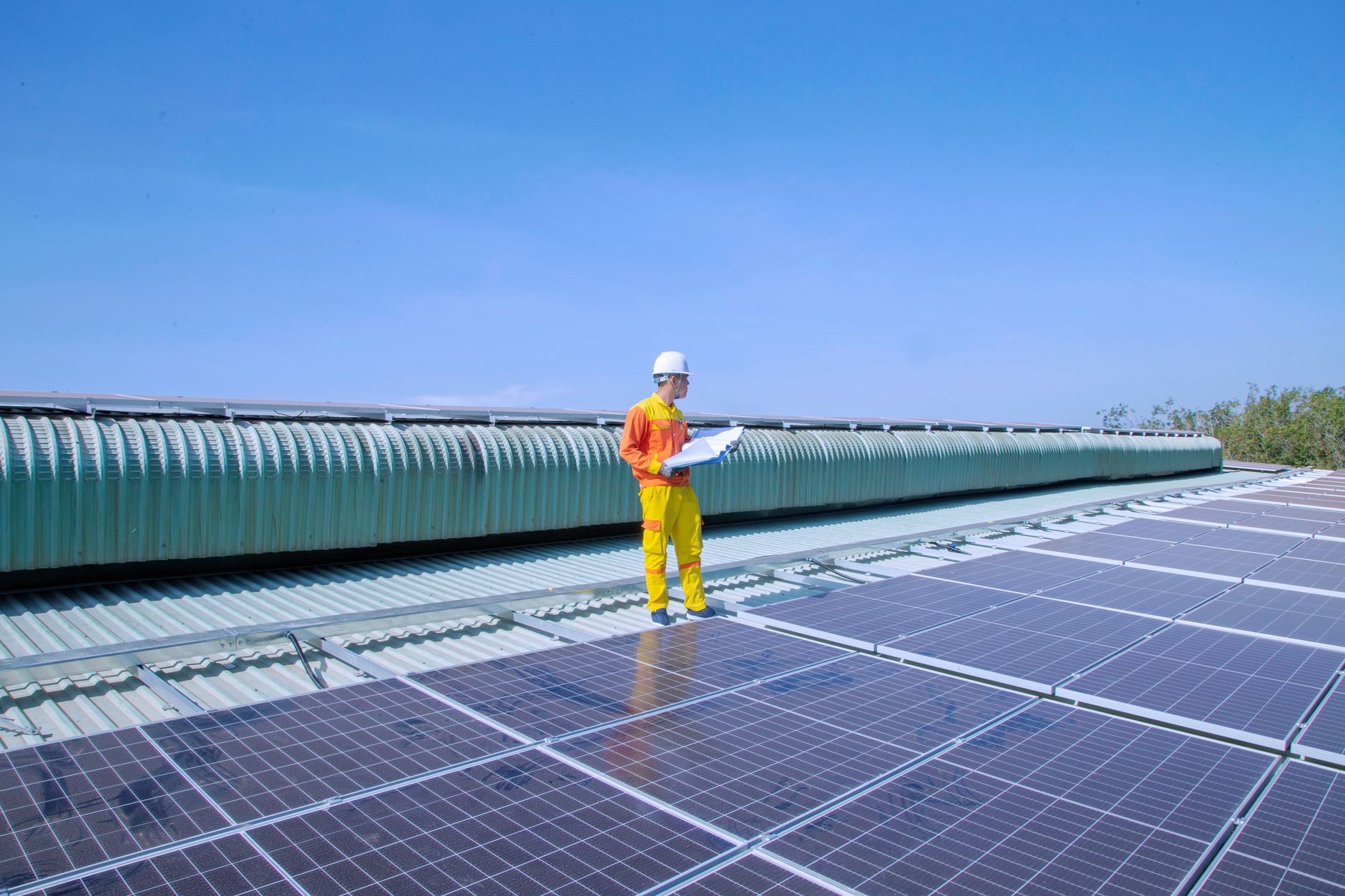
Choosing a solar installer is a major decision for homeowners who want clean energy. A reliable installer will deliver quality work, stay on schedule, and honor warranties. Below are practical steps to help you spot a trustworthy professional before signing a contract.
Check Licensing and Certifications
First, verify that the installer holds all required state and local licenses. In most regions, solar contractors need a general contractor's license and a specialty electrical license. Ask for copies of these documents and confirm their validity with the issuing agency.
Next, look for industry certifications. The North American Board of Certified Energy Practitioners (NABCEP) offers the most respected credentials for solar professionals. An installer with a NABCEP Certified PV Installation Professional (PVIP) designation has passed rigorous exams and adheres to best practices. While certification is not mandatory, it signals a commitment to quality and ongoing education.
Review Experience and Track Record
Experience matters. Ask how long the company has been installing residential solar systems and request references from recent projects. A reputable installer should provide at least three homeowner contacts who can speak about the installation process, system performance, and post‑sale support.
Visit completed installations if possible. Observe the workmanship, mounting quality, and overall aesthetics. A well‑kept site suggests the installer respects both the equipment and the property.
Research the company’s reputation online. Look for reviews on platforms such as Google, Yelp, and the Better Business Bureau. Pay attention to patterns: consistent complaints about missed appointments or poor communication are red flags, while steady positive feedback indicates reliability.
Evaluate the Quote and Contract Details
A detailed, transparent quote is a hallmark of a trustworthy installer. The estimate should break down equipment costs, labor, permits, and any additional fees. Beware of unusually low prices that seem too good to be true; they often hide hidden charges or sub‑par components.
Read the contract carefully. It should specify the exact system size, brand, model numbers, and performance guarantees. Look for clear terms regarding warranties for both equipment and labor. Reputable installers typically offer a 10‑year workmanship warranty and pass through the manufacturer’s product warranty.
Check the payment schedule. A fair arrangement requires a modest deposit, with the balance due after system completion and final inspection. Avoid contractors who demand full payment upfront.
Confirm Insurance and Safety Practices
Solar installations involve electrical work and roof access, so proper insurance is essential. Request proof of general liability and workers’ compensation coverage. This protects you from potential claims if an accident occurs on your property.
Ask about the installer’s safety protocols. Certified installers follow OSHA guidelines, use fall protection, and conduct regular safety training. Companies that prioritize safety reduce the risk of damage to your home and ensure a smoother installation.
Assess Post‑Installation Support
Reliable installers stay involved after the system goes live. Inquire about monitoring services, system performance checks, and how they handle warranty claims. A good installer will help you register the system with the manufacturer and guide you through any utility interconnection steps.
Ask whether the company offers a maintenance plan. Regular cleaning and inspections can keep the system operating at peak efficiency. Even if you choose not to purchase a plan, the installer should be willing to provide a clear schedule for recommended upkeep.
Finally, consider the installer’s communication style. Prompt, clear responses to your questions indicate professionalism. A company that keeps you informed throughout the process reduces stress and builds trust.
By following these steps—checking licenses, confirming certifications, reviewing experience, scrutinizing quotes, verifying insurance, and evaluating post‑installation support—you can confidently select a solar installer who will deliver a safe, efficient, and lasting system for your home.
Related reading
 Optimizing Solar Panel Placement: Roof Angle and Shading Basics
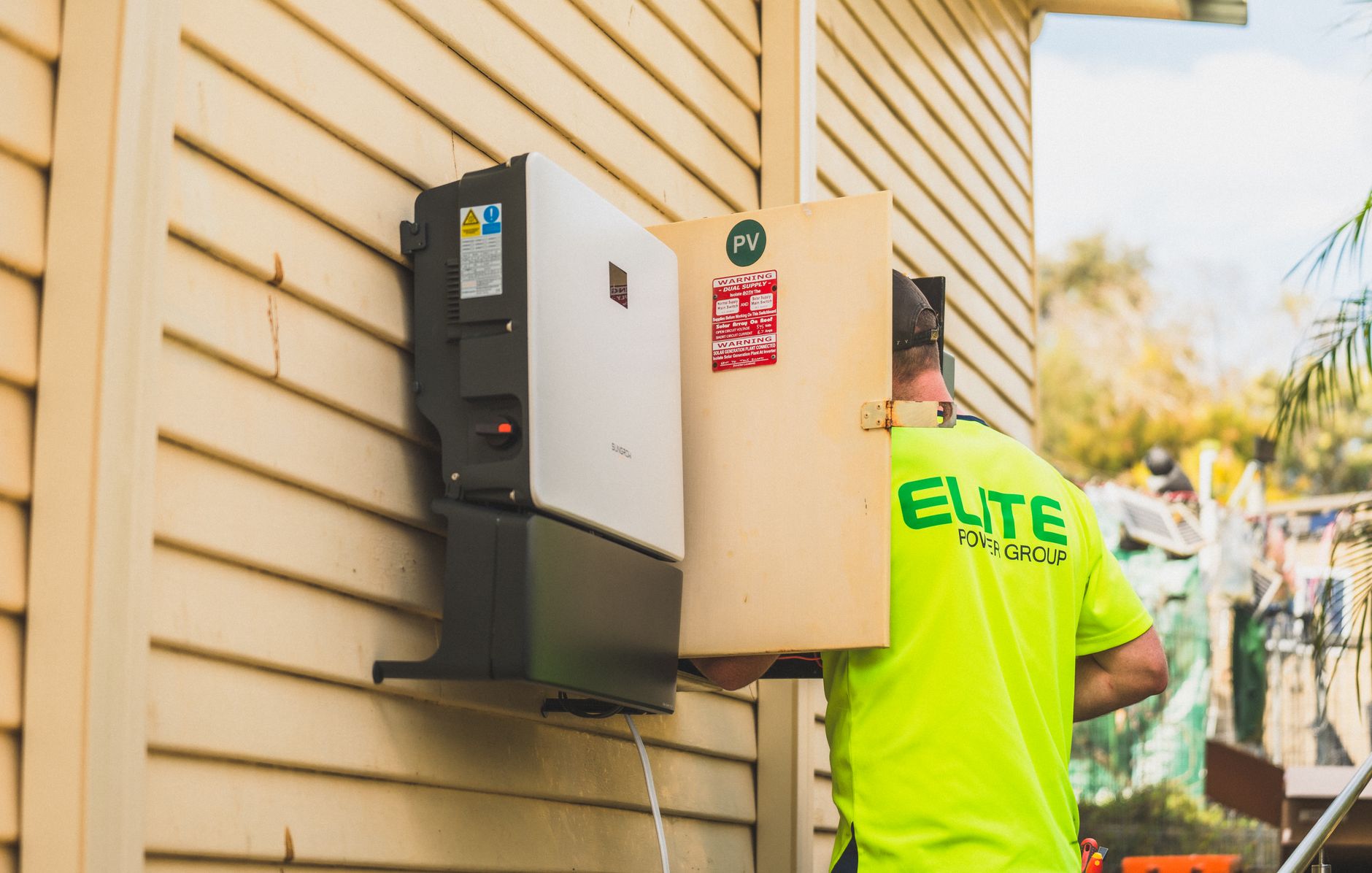 How to Size Your Home Solar Inverter for Best Performance
AI disclosure: this article was automatically drafted with AI assistance and reviewed before publishing. Written with AI assistance: openai/gpt-oss-120b. It is general information, not professional medical, financial or legal advice.


0 comments:
Post a Comment