


Upgrading a home’s energy systems can lower bills, improve comfort, and reduce environmental impact. A phased approach lets you spread costs, learn from each step, and avoid overwhelm. This guide walks you through the planning process, from assessment to final touches.
1. Assess Your Home and Set Priorities
Start with a simple walk‑through. Look for drafts around doors, windows, and attic hatches. Check insulation levels in walls, ceilings, and floors. Note the age and condition of heating, cooling, and water‑heating equipment. Write down any comfort complaints, such as rooms that stay cold or hot.
Next, gather utility bills for the past year. Identify the highest‑cost months and the biggest energy users. This data helps you spot where savings are most likely.
Rank improvements by impact and ease. High‑impact, low‑cost items—like sealing air leaks or adding thermostat programming—should come first. More expensive upgrades, such as a heat‑pump replacement, can be scheduled later.
2. Create a Staged Budget and Timeline
Break the project into clear phases. A typical sequence includes:
- Phase 1: Air sealing, insulation, and smart thermostat installation.
- Phase 2: Lighting upgrades and appliance replacement.
- Phase 3: HVAC system overhaul or heat‑pump installation.
- Phase 4: Renewable energy options like solar panels or battery storage.
Assign a realistic cost estimate to each phase. Use online calculators, local contractor quotes, or energy‑audit reports for accuracy. Add a 10 % contingency to cover unexpected expenses.
Set a timeline that matches your cash flow. For example, allocate Phase 1 to the first winter, Phase 2 to the following spring, and so on. Mark milestones on a calendar and track progress regularly.
3. Choose the Right Professionals and Incentives
Not every task requires a contractor, but many do. Hire a certified energy auditor for a detailed home‑performance test. Their report will confirm where heat loss occurs and suggest specific measures.
When you move to larger upgrades, select licensed HVAC technicians, electricians, or insulation specialists. Check reviews, ask for references, and verify insurance.
Research local, state, and federal incentives. Tax credits, rebates, and utility‑company programs can offset up to 30 % of costs for certain upgrades. Keep documentation of all purchases and installations to claim these benefits.
Finally, document each completed phase. Take photos, record energy‑use data, and note any comfort changes. This record helps you evaluate return on investment and guides future decisions.
By following these steps, you can turn a daunting energy retrofit into a manageable, cost‑effective journey. Each stage builds on the last, delivering incremental savings and a clearer path toward a greener, more comfortable home.
Related reading
 Maximizing Your Home Solar Power Usage Efficiently
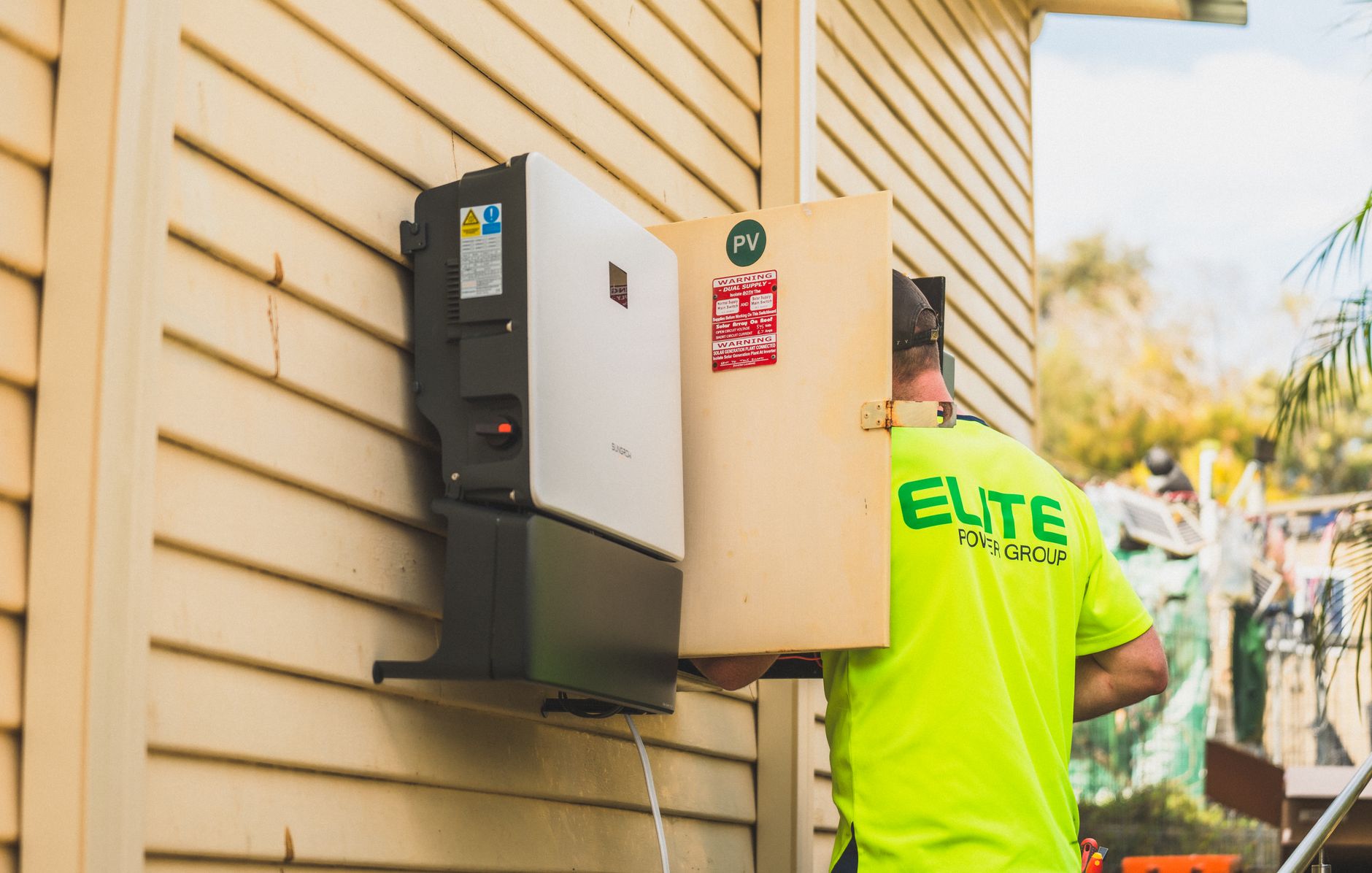 How to Choose the Right Inverter for Your Home Solar System
AI disclosure: this article was automatically drafted with AI assistance and reviewed before publishing. Written with AI assistance: openai/gpt-oss-120b. It is general information, not professional medical, financial or legal advice.


0 comments:
Post a Comment