Test

Test

Wednesday, October 21, 2026

Understanding Home Solar System Costs in South Africa

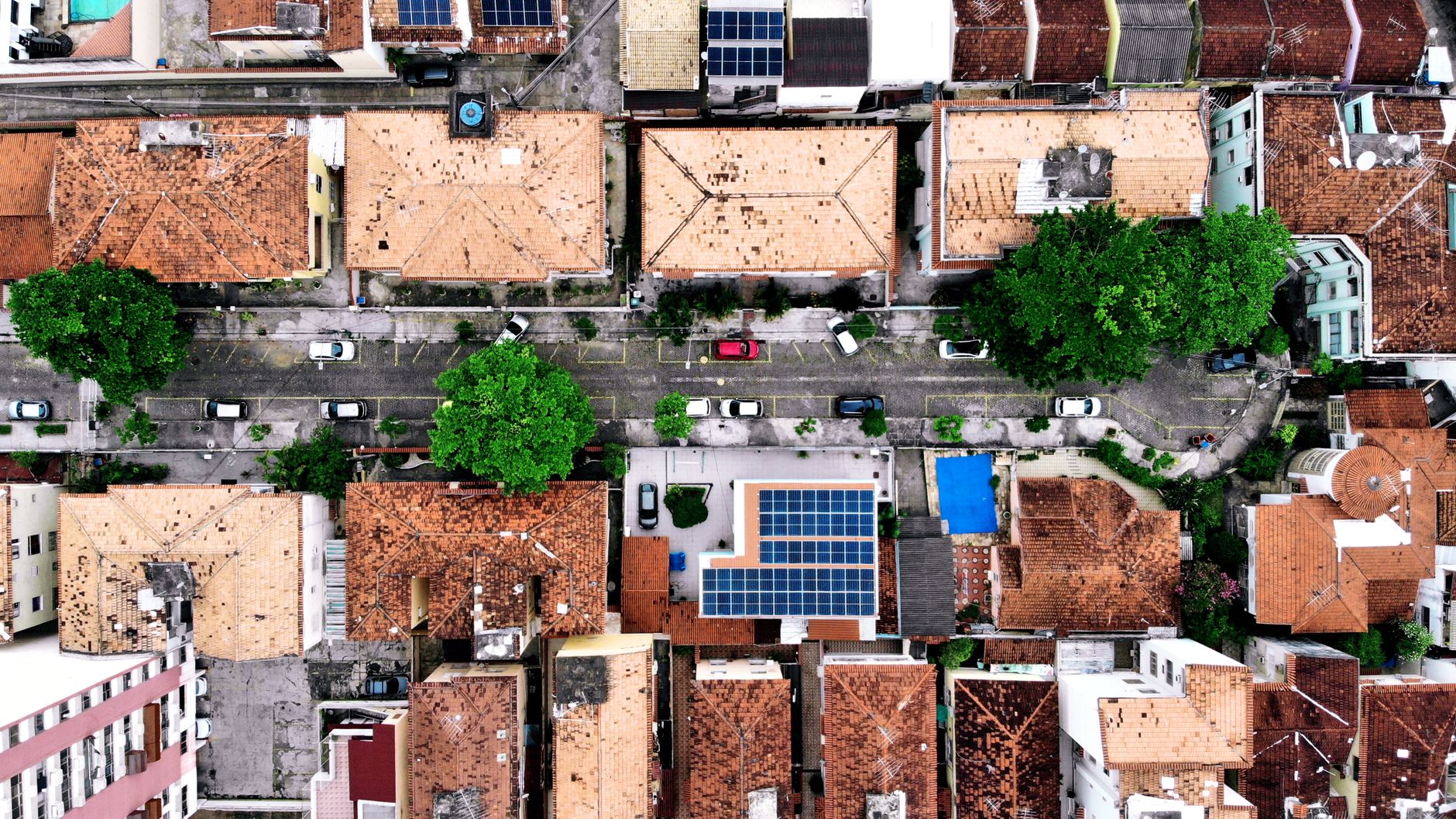
Top-down aerial shot of residential area with solar panels in Rio de Janeiro, Brazil.

South Africa enjoys abundant sunshine, making solar power an attractive option for homeowners. Yet many people wonder how much a residential solar system will cost. This article breaks down the main cost components, explains factors that influence price, and offers a realistic range for a typical installation.

Core Components and Their Prices

A home solar system consists of panels, inverters, mounting structures, wiring, and a battery (optional). Panel prices dominate the budget. In 2024, South African photovoltaic (PV) panels cost between R12,000 and R18,000 per kilowatt peak (kWp), depending on brand, efficiency, and warranty.

Inverters translate DC electricity from panels into AC for household use. A quality string inverter costs roughly R3,000 to R5,000 per kW. For larger systems, a three‑phase inverter may be required, adding R8,000 to R12,000.

Mounting racks and rails are usually priced at R800 to R1,200 per kW. These structures must suit roof type, wind load, and local building codes.

Wiring, connectors, and safety devices (breakers, surge protectors) add another R500 to R1,000 per kW. Installation labour typically runs between R1,200 and R2,000 per kW, depending on site complexity.

If you choose to store excess energy, lithium‑ion batteries cost about R30,000 to R45,000 per kilowatt‑hour (kWh). A 5 kWh battery, common for backup, adds roughly R150,000 to R225,000.

Factors That Influence the Final Quote

Location matters. Installations in major cities like Johannesburg or Cape Town often benefit from competitive supplier networks, lowering prices by up to 10 %.

Roof orientation and shading affect system size. A south‑facing roof with minimal shade can achieve higher output, reducing the number of panels needed.

System size directly scales cost. A modest 3 kWp system, suitable for a small household, typically totals R70,000 to R95,000 installed. A larger 6 kWp system, which can cover most of a family’s consumption, ranges from R130,000 to R170,000.

Quality of components also drives price. Premium panels with 22 % efficiency cost more but occupy less roof space. Mid‑range panels at 18‑20 % efficiency are cheaper and still reliable.

Government incentives can lower out‑of‑pocket expenses. The South African Renewable Energy Independent Power Producer Procurement Programme (REIPPPP) offers tax rebates for eligible installations, though the exact amount varies by province.

Typical Cost Scenarios and Return Outlook

Below are three common scenarios to illustrate price ranges:

  • Basic 3 kWp system (no battery): Panels R36,000–R54,000, inverter R9,000–R15,000, mounting R2,400–R3,600, wiring R1,500–R3,000, labour R3,600–R6,000. Total installed cost R62,000–R81,600.
  • Mid‑size 5 kWp system (no battery): Panels R60,000–R90,000, inverter R15,000–R25,000, mounting R4,000–R6,000, wiring R2,500–R5,000, labour R6,000–R10,000. Total installed cost R107,500–R136,000.
  • Full‑size 6 kWp system with 5 kWh battery: Panels R72,000–R108,000, inverter R18,000–R30,000, mounting R4,800–R7,200, wiring R3,000–R5,000, labour R7,200–R12,000, battery R150,000–R225,000. Total installed cost R255,000–R387,200.

These figures exclude optional services such as system monitoring, extended warranties, or grid‑connection fees, which can add a few thousand rand.

Payback periods depend on electricity consumption, utility rates, and sunlight exposure. Most South African households see a return on investment within 7 to 12 years, after which the system generates essentially free power.

In summary, a home solar system in South Africa costs roughly R20,000 per kW installed, plus any battery storage you choose. By comparing quotes, selecting reputable suppliers, and considering local incentives, homeowners can make an informed decision and enjoy long‑term savings.

Related reading

AI disclosure: this article was automatically drafted with AI assistance and reviewed before publishing. Written with AI assistance: openai/gpt-oss-120b. It is general information, not professional medical, financial or legal advice.

Understanding Solar Feed‑In Tariffs in South Africa

Top-down aerial shot of residential area with solar panels in Rio de Janeiro, Brazil.

South Africa’s electricity system faces growing pressure from rising demand and aging infrastructure. To ease this strain, the government introduced solar feed‑in tariffs (FiTs) as a way to encourage private investment in renewable energy. A feed‑in tariff is a policy tool that guarantees a fixed payment for each kilowatt‑hour (kWh) of solar electricity that a producer feeds into the national grid. Understanding how FiTs work, who can benefit, and what the current rates are helps households, businesses, and investors make informed decisions.

How Feed‑In Tariffs Operate

Under a solar FiT, a power producer signs a power purchase agreement (PPA) with the national utility, Eskom, or a licensed independent power producer (IPP). The agreement sets a tariff rate, usually expressed in South African Rand per kWh, that the utility will pay for the electricity generated by the solar system. The rate is fixed for a contract period, often 15 to 20 years, providing revenue certainty.

Payments are made monthly based on the actual output measured by a certified meter. The producer retains ownership of the solar installation, so they also benefit from any excess electricity that is not exported, which can offset their own consumption.

Eligibility and Application Process

Both residential and commercial entities can apply for a solar FiT, but the process differs slightly. Residential applicants typically install rooftop photovoltaic (PV) systems of up to 10 kW. Commercial applicants may install larger systems, ranging from 10 kW to several megawatts, depending on site capacity and grid connection limits.

To qualify, the applicant must:

  • Obtain a licence from the National Energy Regulator of South Africa (NERSA).
  • Secure a connection agreement with Eskom or an IPP.
  • Install a metering system that meets NERSA standards.
  • Submit a detailed project proposal, including system design, expected generation, and financial model.

After submission, NERSA reviews the application, assesses grid impact, and determines the appropriate tariff tier based on system size and location. Once approved, the producer signs the PPA and begins exporting electricity.

Current Tariff Rates and Economic Impact

South Africa’s FiT rates are published annually by NERSA. As of the latest schedule, tariffs range from R1.50 to R2.30 per kWh for small‑scale rooftop systems, decreasing with larger system capacities. The rates are indexed to inflation, ensuring that payments keep pace with rising costs.

These tariffs make solar projects financially attractive. For a typical 5 kW residential system, the expected annual generation is about 7 500 kWh. At a tariff of R2.00 per kWh, the producer could earn roughly R15 000 per year from exported electricity, in addition to savings on their own consumption.

On a national level, FiTs help diversify the energy mix, reduce reliance on coal, and lower greenhouse‑gas emissions. By encouraging distributed generation, the policy also eases pressure on transmission infrastructure and can improve grid stability in remote areas.

Challenges and Considerations

While FiTs offer clear benefits, several challenges remain. Grid capacity constraints can limit the number of new connections, especially in regions with already high solar penetration. Applicants must also navigate bureaucratic steps, which can delay project timelines.

Financing is another key factor. Although the guaranteed tariff reduces revenue risk, upfront capital costs for solar panels, inverters, and installation remain significant. Many producers rely on bank loans, leasing arrangements, or third‑party ownership models to spread costs.

Finally, tariff rates are subject to periodic review. If future adjustments lower the rates, the return on investment for existing projects may be affected. Prospective producers should model scenarios with both current and potential future tariffs to assess long‑term viability.

Steps to Get Started

1. Assess your energy needs. Calculate your average monthly consumption and determine how much of it you want to offset with solar.

2. Choose a system size. For residential users, 5‑10 kW is common. Commercial users should conduct a site‑specific feasibility study.

3. Find a qualified installer. Ensure the installer is accredited by the South African Photovoltaic Industry Association (SAPVIA) and can handle NERSA‑compliant metering.

4. Prepare the application. Gather all required documents, including system design, financial projections, and proof of land ownership or lease.

5. Submit to NERSA. Follow the online portal guidelines, pay any applicable fees, and await approval.

6. Sign the PPA. Once approved, negotiate the contract terms, confirm the tariff tier, and schedule grid connection.

7. Monitor performance. Use the installed meter and a monitoring platform to track generation, ensure accurate billing, and maintain the system.

By following these steps, South Africans can tap into the financial incentives offered by feed‑in tariffs while contributing to a cleaner energy future. The policy continues to evolve, but its core goal remains the same: to make solar power a reliable, affordable, and integral part of the country’s electricity supply.

Related reading

AI disclosure: this article was automatically drafted with AI assistance and reviewed before publishing. Written with AI assistance: openai/gpt-oss-120b. It is general information, not professional medical, financial or legal advice.