


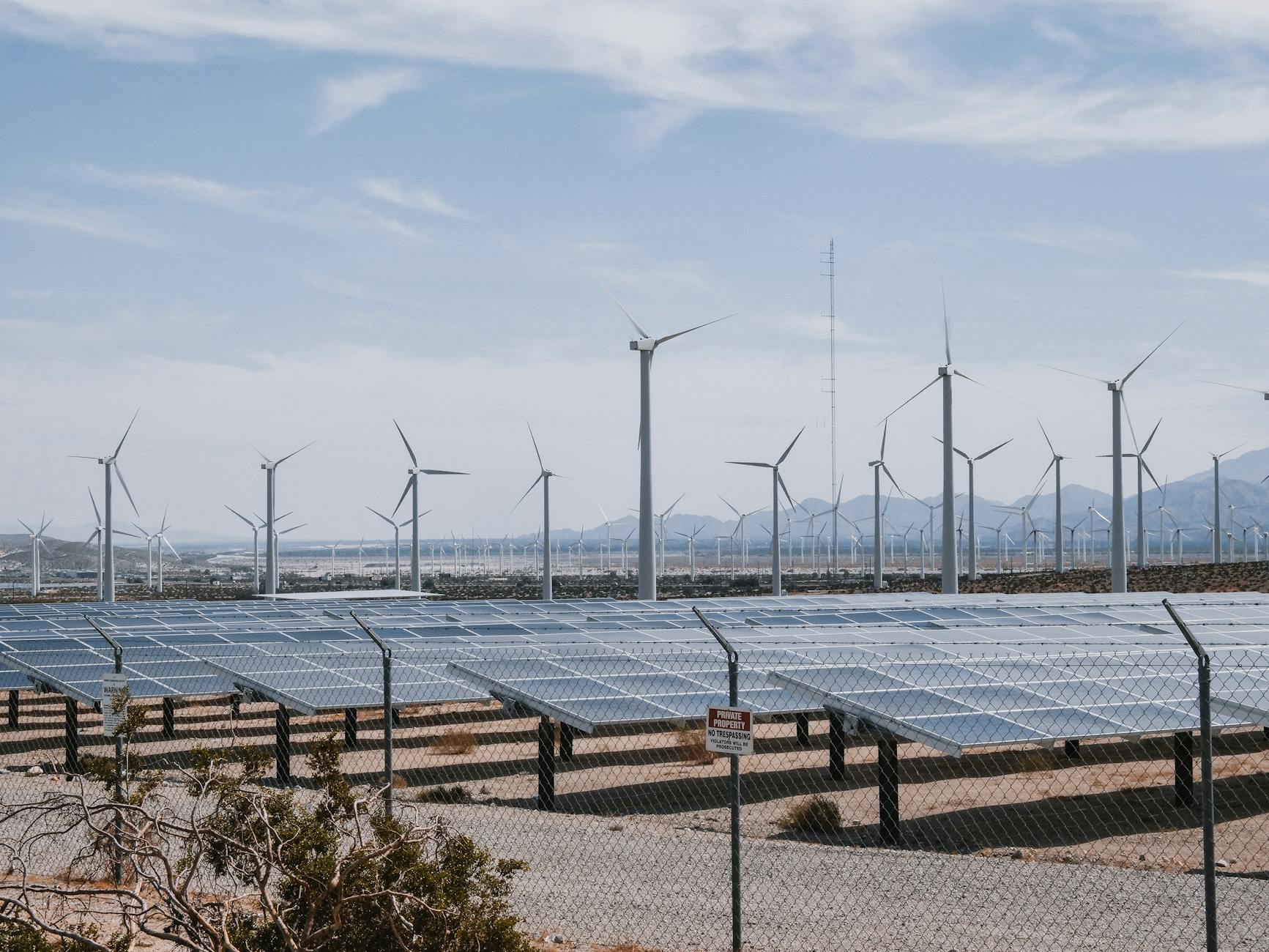
Homeowners increasingly look to renewable energy to lower bills and reduce carbon footprints. Two popular options are solar photovoltaic (PV) systems and small‑scale wind turbines. Both generate electricity without burning fossil fuels, but they differ in cost, installation, performance, and maintenance. Understanding these differences helps you decide which technology fits your property, budget, and energy goals.
How Solar and Wind Generate Power
Solar panels convert sunlight directly into electricity using semiconductor cells. When photons strike the cells, they free electrons, creating a flow of current. The system includes an inverter that changes the direct current (DC) into alternating current (AC) for household use. Solar output depends on sun exposure, panel orientation, and shading.
Wind turbines capture kinetic energy from moving air. Blades spin a shaft connected to a generator, which produces electricity. Like solar, a small inverter converts the output to usable AC. Wind power varies with wind speed, turbine height, and local turbulence. Most residential turbines need average wind speeds of 9–12 miles per hour to operate efficiently.
Site Requirements and Installation
Solar panels work well on most rooftops that receive at least five hours of direct sunlight per day. A south‑facing roof with a 15‑30 degree tilt is ideal, but east or west orientations can still produce good results. Installation usually takes one to three days, and most installers handle permits and inspections.
Wind turbines need open space and consistent wind flow. Obstacles such as trees, buildings, or hills can reduce performance. The turbine must be mounted on a tower at least 30 feet high to reach smoother air currents. Installation can take several weeks because it involves structural assessments, tower erection, and sometimes electrical upgrades.
Cost, Savings, and Payback
Solar panel costs have fallen dramatically, with average residential systems ranging from $2.50 to $3.50 per watt installed. A typical 6‑kilowatt system costs $15,000–$21,000 before incentives. Most homeowners receive a federal tax credit of 30% and may qualify for state rebates, which shorten the payback period to 6–10 years.
Small wind turbines are generally more expensive per kilowatt. A 5‑kilowatt turbine can cost $30,000–$45,000 installed, plus tower and foundation expenses. Federal tax credits also apply, but fewer state programs exist for wind. Payback periods often exceed 10 years unless the site has strong, steady winds.
Performance and Reliability
Solar output is predictable: it follows a daily pattern and seasonal variations. Panels have no moving parts, so they require little maintenance—usually cleaning and occasional inverter checks. Most manufacturers offer 25‑year performance warranties.
Wind turbines have moving components that wear over time. Bearings, blades, and gearboxes need regular inspection and occasional replacement. Turbines also shut down during very high winds to protect the system, which can reduce annual energy production. Reliability improves with higher-quality models and proper siting.
Environmental Impact and Aesthetics
Both technologies produce clean electricity, but their environmental footprints differ. Solar panels require mining of silicon and rare earth metals, and end‑of‑life recycling is still developing. However, panels have a low visual impact when placed on a roof.
Wind turbines use steel, fiberglass, and rare‑earth magnets. Manufacturing and transporting large towers generate emissions, and some neighbors find turbines noisy or unsightly. Proper siting and blade design can mitigate noise, but visual concerns remain a factor for many homeowners.
Which Option Is Right for You?
Start by evaluating your site. If your roof receives ample sunlight and you have limited open land, solar is likely the simpler, more cost‑effective choice. If you own a property with high, unobstructed wind speeds—such as a rural hilltop or coastal area—wind may produce more electricity per dollar.
Consider your budget and timeline. Solar offers lower upfront costs, quicker installation, and shorter payback. Wind requires a larger initial investment and longer permitting processes but can complement solar in windy regions, providing power when the sun is low.
Finally, think about long‑term goals. Many homeowners combine both systems to create a hybrid solution that smooths daily and seasonal fluctuations. A hybrid design can store excess solar energy in batteries while wind fills gaps during cloudy periods.
In summary, solar panels excel in ease of installation, predictable output, and lower costs for most residential sites. Small wind turbines shine in locations with strong, consistent winds but demand more space, maintenance, and capital. Assess your property’s sun and wind resources, weigh financial factors, and choose the technology that aligns with your energy needs and aesthetic preferences.
AI disclosure: this article was researched and written with AI assistance and reviewed before publishing. It is general information, not professional medical, financial or legal advice.
 How to Size Your Home Solar Inverter for Best Performance
 The Benefits of Switching to Solar Energy for South African


