


Keeping track of how much electricity your solar system produces each day helps you spot problems early and get the most out of your investment. With a few tools and habits, you can turn raw data into actionable insight without hiring an expert.
Choose the Right Monitoring Platform
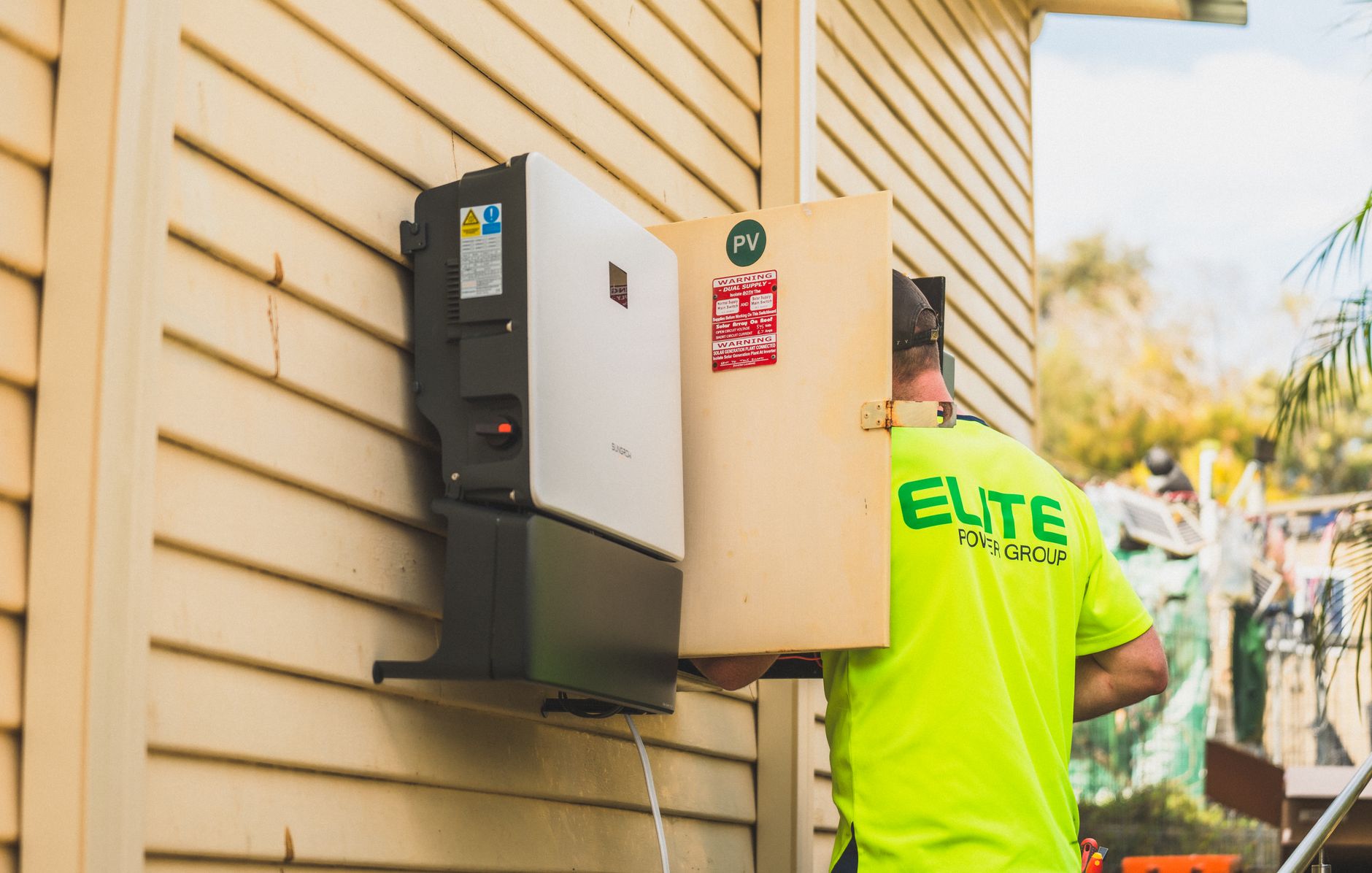
Most modern inverters include a built‑in web portal or mobile app. These platforms display real‑time output, daily totals, and historical trends. If your inverter lacks this feature, consider a third‑party data logger that connects to the inverter’s communication port.
When selecting a platform, look for clear graphs, easy export options, and alerts for performance drops. Compatibility with your inverter model is essential; check the manufacturer’s list of supported devices before buying.
Set Up Daily Data Collection
Start by linking the inverter to your home Wi‑Fi network. Follow the installer’s guide to enter the network name and password. Once connected, the system will push data to the cloud automatically.
Next, create a simple routine to review the daily report. Many apps send a push notification at sunset with the day’s total kilowatt‑hours (kWh). If you prefer email, enable the daily summary in the settings.
For deeper analysis, export the CSV file each night and store it in a dedicated folder. Over time, you will build a spreadsheet that shows seasonal patterns and helps you compare month‑to‑month performance.
Interpret the Numbers and Take Action
First, compare the daily total to the system’s rated capacity. A 5 kW array should produce roughly 20–30 kWh on a sunny day. If you see a consistent shortfall, check for shading, dust, or inverter warnings.
Second, look at the peak production hour. Most panels generate the most power between 11 a.m. and 2 p.m. If your peak occurs earlier or later, it may indicate an orientation issue or a mismatch between panel tilt and local sun angle.
Third, monitor the “self‑consumption” ratio if you have a battery. High self‑consumption means you are using more of your own solar energy, reducing reliance on the grid. Adjust appliance usage to align with peak generation for better savings.
Finally, set alerts for abnormal drops. A sudden 30 % decrease could signal a faulty string, a loose connection, or a failing inverter. Promptly contact your installer or service provider to avoid prolonged losses.
By following these steps—choosing a reliable platform, establishing a daily review habit, and interpreting the data—you can keep your solar system running at peak efficiency. Regular monitoring not only protects your investment but also empowers you to make smarter energy choices every day.
Related reading
 Essential Maintenance Guide for Home Solar Panel Systems
 How to Size Your Home Solar Inverter for Best Performance
AI disclosure: this article was automatically drafted with AI assistance and reviewed before publishing. Written with AI assistance: openai/gpt-oss-120b. It is general information, not professional medical, financial or legal advice.


0 comments:
Post a Comment