Test

Test

Wednesday, October 21, 2026

Maintaining Solar Power Systems Efficiently During Winter Months

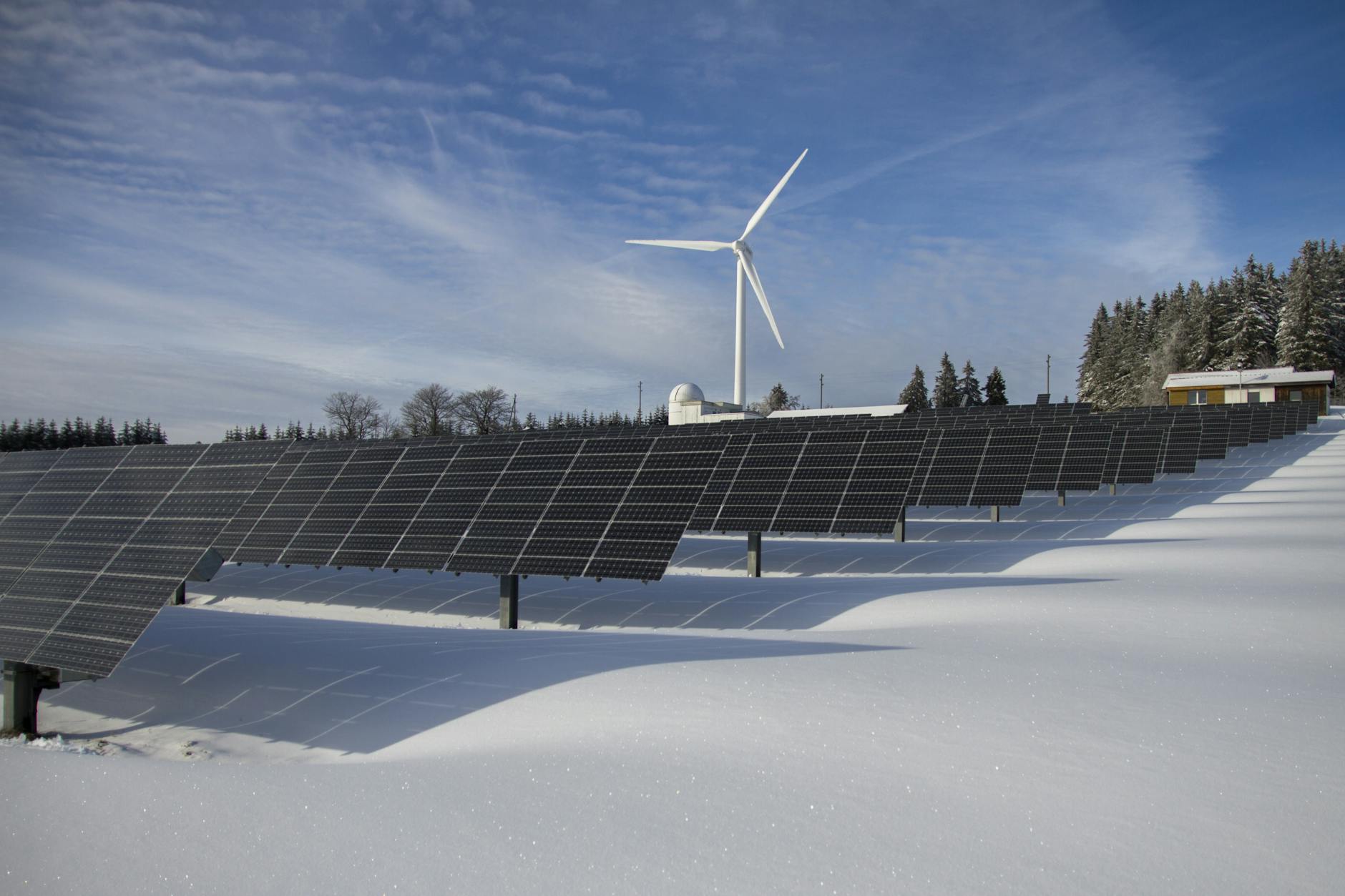
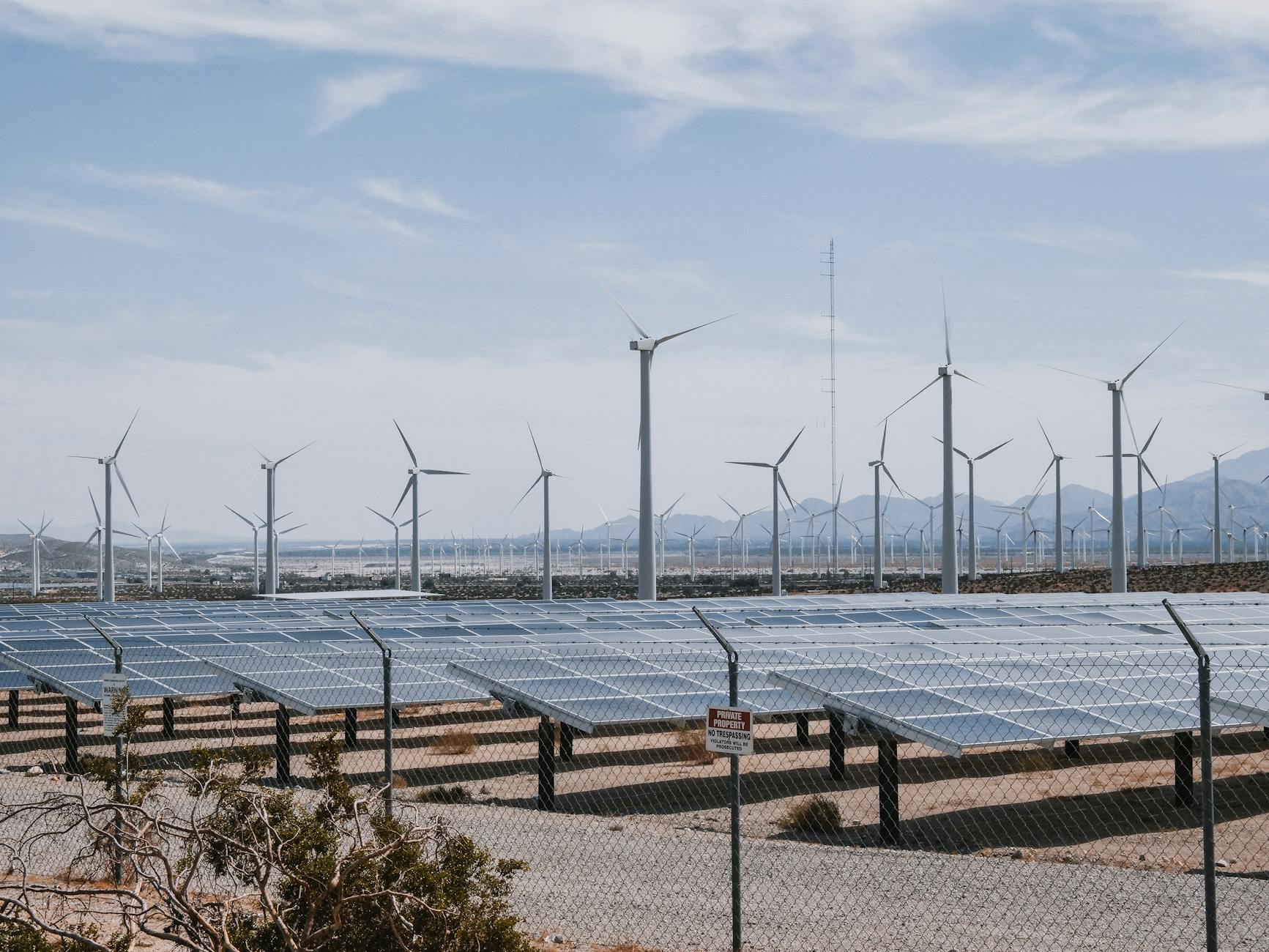
Solar panels and wind turbine in a snowy landscape, showcasing renewable energy sources.

Winter brings cold temperatures, shorter days, and snow that can affect solar power systems. Proper care ensures panels keep generating electricity when you need it most. This guide explains practical steps to keep your solar array operating efficiently throughout the season.

Inspect and Clean Panels Regularly

Snow, ice, and debris can block sunlight from reaching the cells. After each snowfall, gently remove excess snow with a soft brush or a roof rake. Avoid using metal tools that could scratch the glass. If ice forms, let it melt naturally or use a low‑pressure water spray when temperatures rise above freezing.

Even without snow, wind can deposit dust, pollen, or bird droppings on the surface. Clean panels with a mild detergent and a soft cloth, following the manufacturer’s recommendations. Regular cleaning restores up to 10 % of lost output during winter.

Check Wiring and Connections

Cold weather can cause cables to contract, exposing connections to moisture. Inspect all visible wiring for cracks, corrosion, or loose terminals. Tighten any loose bolts and replace damaged insulation promptly. Use weather‑rated connectors designed for low temperatures to prevent water ingress.

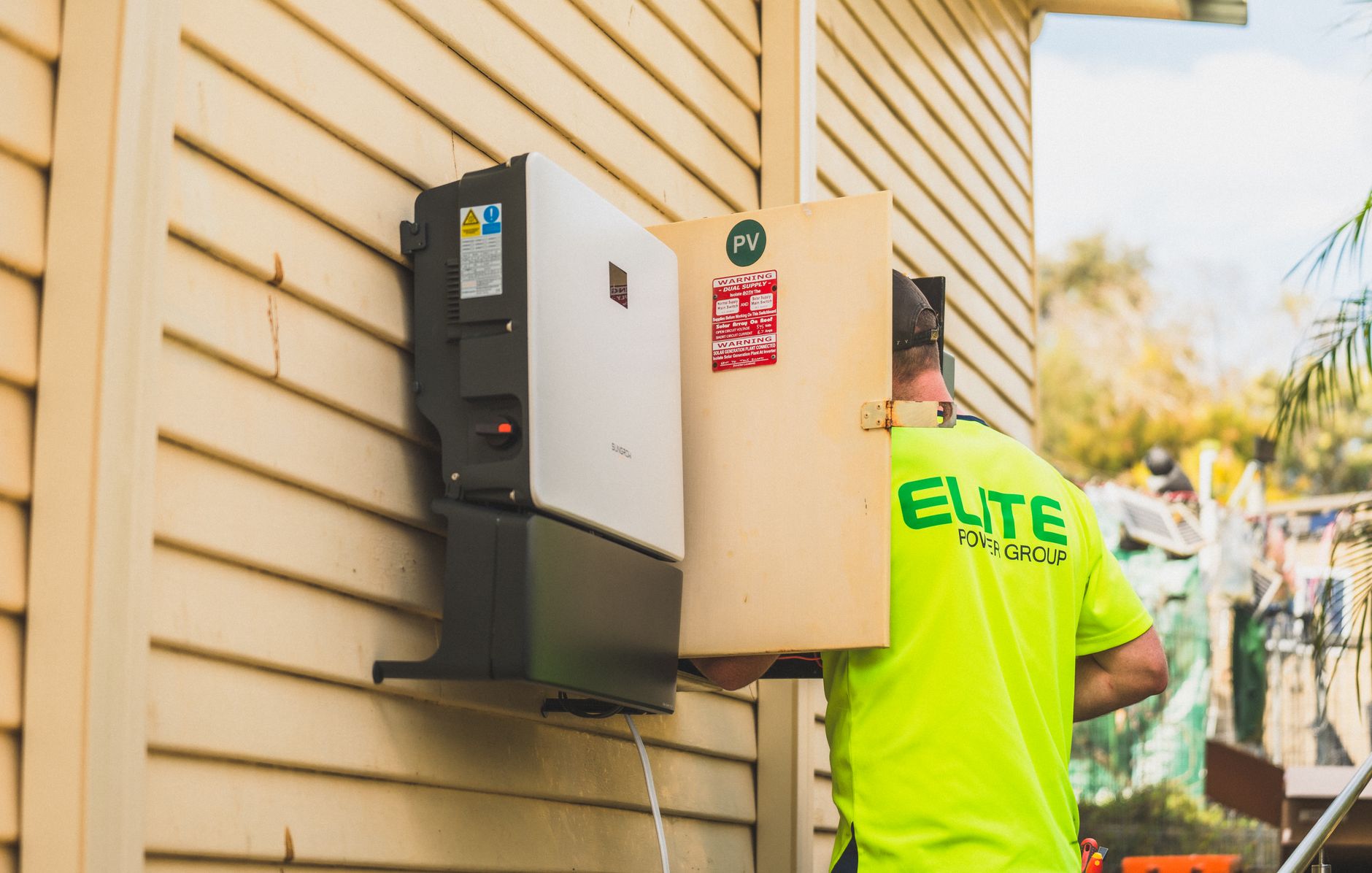
Pay special attention to the junction box and inverter connections. These components often sit in exposed locations and may accumulate ice. Ensure the box remains sealed and that any condensation drains away from the electronics.

Maintain Battery Storage

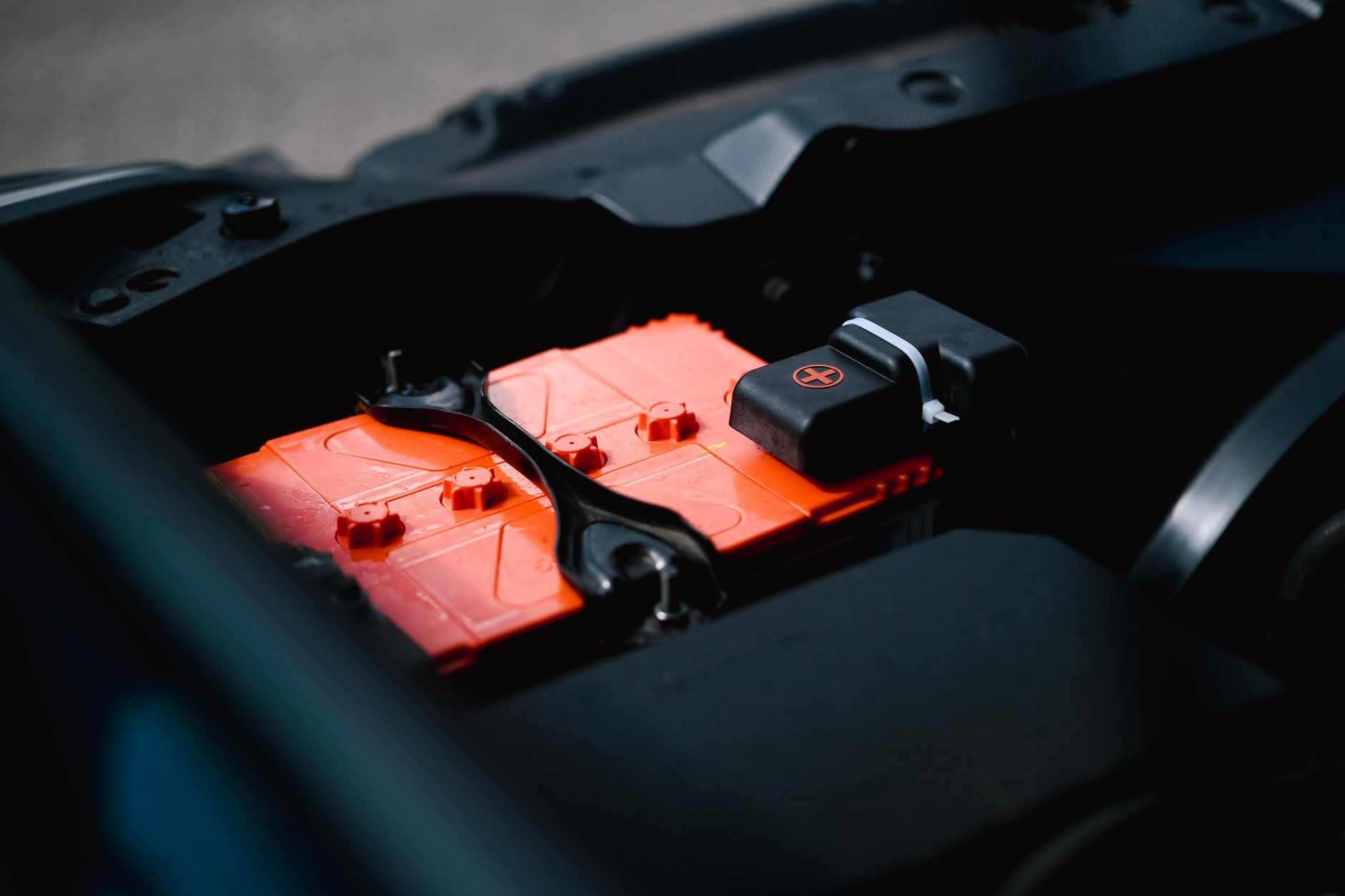
If your system includes batteries, keep them within the recommended temperature range. Cold reduces battery capacity, so consider placing them in a insulated enclosure or a heated garage. Check electrolyte levels on lead‑acid batteries and top up with distilled water if needed.

For lithium‑ion batteries, avoid deep discharges during cold spells. Set the charge controller to limit discharge depth, and schedule regular charging cycles to keep the cells warm. Monitoring software can alert you to temperature drops that affect performance.

Optimize Tilt and Orientation

The angle of your panels influences how much sunlight they capture in winter. A steeper tilt helps snow slide off more easily and aligns the array with the lower sun path. If your mounting system allows, adjust the tilt to match the winter latitude angle, typically latitude plus 15 degrees.

Orientation toward true south (in the northern hemisphere) maximizes exposure. Minor adjustments can improve output by several percent, especially on cloudy days when diffuse light dominates.

Monitor System Performance

Use a monitoring platform to track daily production. Compare winter output to the same period in previous years. A sudden drop may indicate shading, a faulty inverter, or a wiring issue. Set up alerts for performance deviations beyond a chosen threshold.

Review the inverter’s display for error codes. Many modern inverters log temperature data, which helps you identify if overheating or extreme cold is affecting efficiency. Address any warnings promptly to avoid prolonged downtime.

Plan for Snow Load and Structural Safety

Heavy snow can add significant weight to the mounting structure. Verify that the roof or ground mount meets local snow‑load codes. Reinforce brackets or add additional supports if needed. Regularly clear snow from the roof to reduce stress on the panels and the building.

When clearing snow, work from the top down to prevent sliding snow from striking lower panels. If you notice any cracks or warping in the frame, contact a professional installer for assessment.

Schedule Professional Maintenance

Even with diligent DIY care, an annual professional inspection is valuable. Certified technicians can test voltage, current, and insulation resistance under load conditions. They also verify that the inverter’s firmware is up to date and that safety devices function correctly.

Ask the service provider to perform a thermal imaging scan. This technique spots hidden hotspots that may indicate loose connections or failing cells, allowing you to fix problems before they cause larger losses.

By following these steps, you can keep your solar power system productive throughout winter. Regular cleaning, careful inspection of wiring, proper battery care, and strategic tilt adjustments all contribute to reliable energy generation. Monitoring performance and scheduling professional checks add an extra layer of protection. With consistent attention, your solar array will continue to provide clean electricity even when the days are short and the weather is harsh.

Related reading

AI disclosure: this article was automatically drafted with AI assistance and reviewed before publishing. Written with AI assistance: openai/gpt-oss-120b. It is general information, not professional medical, financial or legal advice.

What Solar Panels Can Power on an Average Day

A high-angle drone shot capturing a grid of solar panels on a large industrial rooftop, showcasing renewable energy.

Solar power is often described in big numbers: megawatts, gigawatt‑hours, and whole‑city grids. For most homeowners, the question is simpler. What can a typical residential solar system actually run on a normal day? The answer depends on three factors: the size of the array, the local sun exposure, and the household’s energy habits.

How Much Energy Does a Typical Home Use?

The average U.S. household consumes about 30 kWh per day, according to the Energy Information Administration. This figure includes lighting, appliances, heating, cooling, and electronics. Seasonal spikes are common; summer air‑conditioning can double daily use, while winter heating may add a similar load. Understanding this baseline helps match solar output to real needs.

Typical Residential Solar Production

A standard residential system ranges from 4 kW to 8 kW of installed capacity. In most sunny regions, each kilowatt of panels generates roughly 4 kWh per day on an average day. That means a 6 kW system can produce about 24 kWh daily, covering most of a typical home’s consumption. In cloudier climates, the same system might only yield 2–3 kWh per kilowatt, or 12–18 kWh per day.

Production follows the sun’s path. Panels start generating around sunrise, peak at solar noon, and taper off toward sunset. The bulk of energy is created between 9 a.m. and 3 p.m. This timing influences which appliances run directly off solar and which rely on stored energy or the grid.

Appliances That Can Run Directly on Solar

During daylight hours, any device that draws power can be fed by the solar array, provided the system’s output exceeds the current demand. Common examples include:

  • Refrigerators and freezers – they run continuously, but their compressors cycle, keeping average draw low.
  • Dishwashers – a typical cycle uses 1.5–2 kWh, easily covered by midday solar.
  • Washing machines – a full load consumes about 0.5 kWh, well within daytime capacity.
  • Electric water heaters – if timed to heat water during peak sun, they can avoid grid use.
  • Lighting – LED fixtures draw minimal power and are fully powered by solar in the afternoon.

High‑energy devices such as electric ovens, clothes dryers, and HVAC systems may still need grid support unless the homeowner schedules them during peak production or adds battery storage.

When Batteries Make a Difference

Battery systems store excess midday solar for use after sunset. A typical home battery, like a 10 kWh lithium‑ion unit, can cover evening lighting, cooking, and a portion of heating or cooling. However, batteries add cost and have limited cycles. For most owners, the most cost‑effective strategy is to shift flexible loads to daylight hours rather than rely heavily on storage.

Without batteries, any shortfall after sunset is supplied by the grid. Net metering policies often credit excess daytime generation, allowing homeowners to offset evening usage with daytime surplus.

Realistic Expectations for a Normal Day

On an average sunny day, a 6 kW system will generate enough electricity to run most essential appliances and cover about 80 % of a typical household’s energy use. The remaining 20 %—usually evening lighting, cooking, and occasional HVAC—will be drawn from the grid or a battery if one is installed.

In less sunny regions, the same system may meet only 50‑60 % of daily demand, making it essential to prioritize daytime use and consider a larger array or supplemental energy sources.

Overall, solar can reliably power lighting, refrigeration, laundry, and many other everyday tasks on a normal day. By aligning high‑draw activities with peak sun and using storage wisely, homeowners can maximize the portion of their energy that comes directly from the sun.

Related reading

AI disclosure: this article was automatically drafted with AI assistance and reviewed before publishing. Written with AI assistance: openai/gpt-oss-120b. It is general information, not professional medical, financial or legal advice.

Battery Backup vs Generator: How to Choose the Right Power Solution

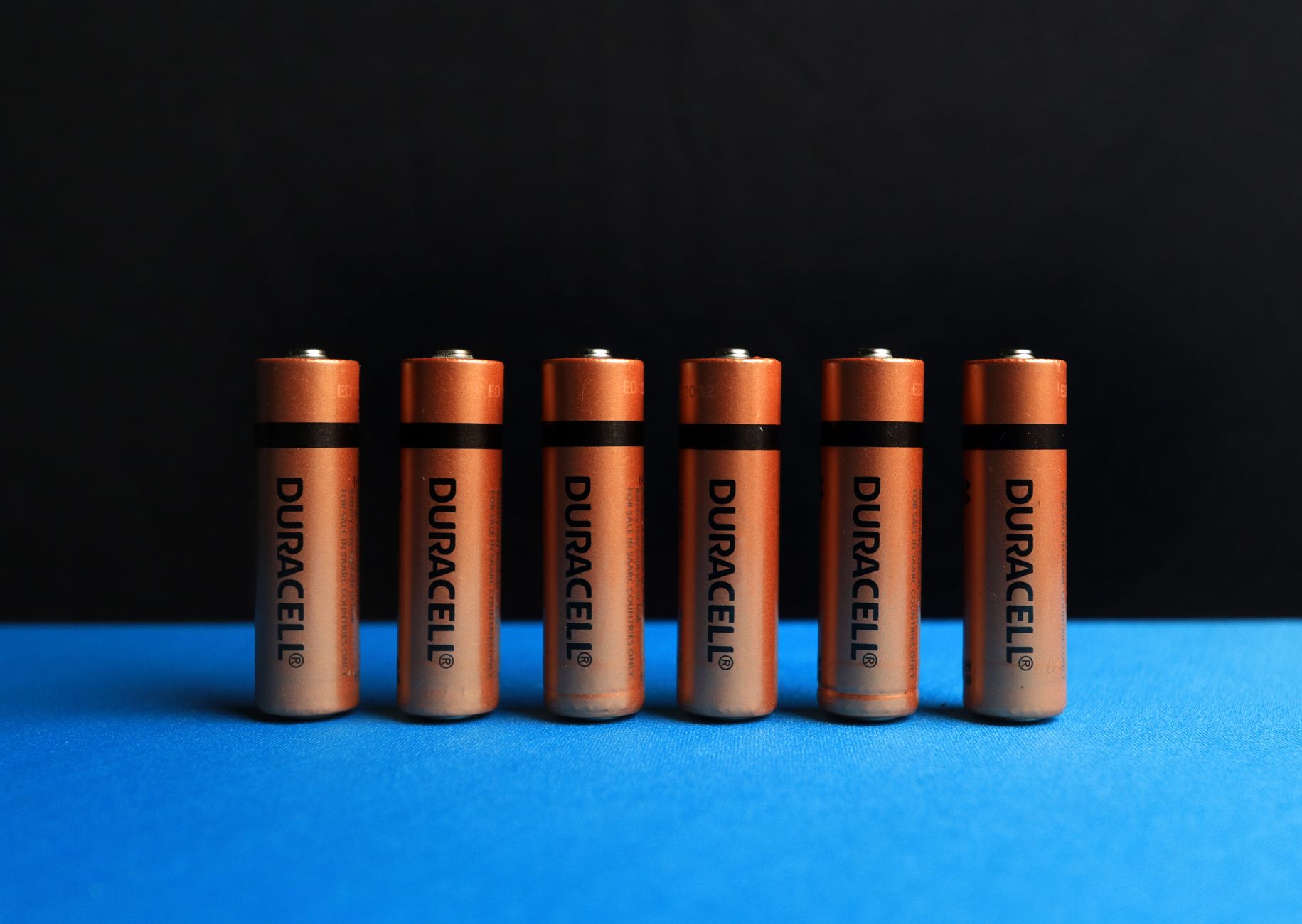
A lined up set of AA batteries with black and blue background.

When the lights go out, you need a reliable source of electricity. Two common options are battery backup systems and portable generators. Both can keep essential appliances running, but they differ in cost, maintenance, noise, and environmental impact. Understanding these differences helps you pick the right solution for your home and budget.

How Each System Works

A battery backup, often called an uninterruptible power supply (UPS) or home battery, stores electricity in chemical cells. When the grid fails, the battery instantly supplies power to a pre‑wired circuit. The transition is seamless, so sensitive devices like computers or medical equipment never lose power.

A generator creates electricity by burning fuel—usually gasoline, diesel, or propane. An internal combustion engine turns a rotor, which produces alternating current. When the power goes out, you must start the generator manually or with an automatic transfer switch. The engine then runs until you turn it off or run out of fuel.

Key Factors to Compare

Cost and Installation. Battery systems range from a few hundred dollars for small units to several thousand for whole‑home models. Installation may require an electrician to connect the battery to your breaker panel. Generators cost anywhere from $500 for a basic portable unit to $5,000 for a larger standby model. Installation often involves a fuel line, exhaust vent, and a transfer switch, which can add to the price.

Runtime and Capacity. A battery’s capacity is measured in kilowatt‑hours (kWh). A typical home battery can run essential lights, a refrigerator, and a few outlets for 8‑12 hours. A generator’s runtime depends on fuel size; a 5‑gallon gasoline tank can power a 5‑kilowatt generator for 10‑12 hours under moderate load. Larger standby generators can run for days if connected to a continuous fuel source.

Maintenance. Batteries need periodic checks, temperature control, and eventual replacement after 5‑15 years. Generators require oil changes, spark plug replacement, and fuel stabilizer to prevent degradation. Neglecting maintenance can lead to failure when you need power most.

Noise and Emissions. Battery backups operate silently because they have no moving parts. Generators produce noise levels of 60‑80 decibels, similar to a dishwasher or lawn mower. They also emit carbon monoxide and other pollutants, so they must be placed outdoors with proper ventilation.

Environmental Impact. Batteries use recyclable materials, but their production and disposal have a carbon footprint. Generators burn fossil fuels, releasing greenhouse gases each time they run. If you prioritize a greener solution, a battery may be the better choice.

When to Choose a Battery Backup

If you need instant power for sensitive electronics, a battery is ideal. The seamless switch protects computers, home security systems, and medical devices from voltage spikes. Batteries also work well in areas with frequent short outages, where a generator’s start‑up delay would be inconvenient.

Homeowners who value quiet operation and want to avoid fuel storage often prefer batteries. They are also a good fit for solar‑powered homes, as excess solar energy can charge the battery for later use.

When a Generator Is the Better Fit

If you require long‑term power for high‑energy appliances like electric heating, water pumps, or a whole‑house backup, a generator provides more kilowatts than most batteries. Generators excel during extended outages caused by storms or grid failures that last several days.

Rural properties without reliable grid service often rely on generators as the primary power source. In these cases, the ability to refuel on site and run for long periods outweighs the noise and emissions concerns.

Making the Final Decision

Start by listing the devices you must keep running during an outage. Calculate their total wattage and estimate how long you need them powered. Compare that number to the capacity of available battery systems and the runtime of generators with reasonable fuel tanks.

Next, factor in your budget for purchase, installation, and ongoing maintenance. Consider local regulations—some neighborhoods restrict generator noise or require permits for fuel storage.

Finally, weigh personal preferences. If silent, clean power is a priority, a battery backup aligns with that goal. If you need robust, long‑lasting power and are comfortable handling fuel, a generator may be the smarter investment.

Both options can complement each other. Some homeowners install a battery for immediate backup and keep a generator as a secondary source for prolonged outages. This hybrid approach offers the best of both worlds: instant power and extended endurance.

Choose the solution that matches your power needs, budget, and lifestyle. With careful planning, you can keep your home safe and functional when the grid goes down.

Related reading

AI disclosure: this article was automatically drafted with AI assistance and reviewed before publishing. Written with AI assistance: openai/gpt-oss-120b. It is general information, not professional medical, financial or legal advice.

Daily Solar Power Monitoring: Simple Steps for Homeowners

Detailed close-up view of solar panels showcasing renewable energy technology.

Keeping track of how much electricity your solar system produces each day helps you spot problems early and get the most out of your investment. With a few tools and habits, you can turn raw data into actionable insight without hiring an expert.

Choose the Right Monitoring Platform

Most modern inverters include a built‑in web portal or mobile app. These platforms display real‑time output, daily totals, and historical trends. If your inverter lacks this feature, consider a third‑party data logger that connects to the inverter’s communication port.

When selecting a platform, look for clear graphs, easy export options, and alerts for performance drops. Compatibility with your inverter model is essential; check the manufacturer’s list of supported devices before buying.

Set Up Daily Data Collection

Start by linking the inverter to your home Wi‑Fi network. Follow the installer’s guide to enter the network name and password. Once connected, the system will push data to the cloud automatically.

Next, create a simple routine to review the daily report. Many apps send a push notification at sunset with the day’s total kilowatt‑hours (kWh). If you prefer email, enable the daily summary in the settings.

For deeper analysis, export the CSV file each night and store it in a dedicated folder. Over time, you will build a spreadsheet that shows seasonal patterns and helps you compare month‑to‑month performance.

Interpret the Numbers and Take Action

First, compare the daily total to the system’s rated capacity. A 5 kW array should produce roughly 20–30 kWh on a sunny day. If you see a consistent shortfall, check for shading, dust, or inverter warnings.

Second, look at the peak production hour. Most panels generate the most power between 11 a.m. and 2 p.m. If your peak occurs earlier or later, it may indicate an orientation issue or a mismatch between panel tilt and local sun angle.

Third, monitor the “self‑consumption” ratio if you have a battery. High self‑consumption means you are using more of your own solar energy, reducing reliance on the grid. Adjust appliance usage to align with peak generation for better savings.

Finally, set alerts for abnormal drops. A sudden 30 % decrease could signal a faulty string, a loose connection, or a failing inverter. Promptly contact your installer or service provider to avoid prolonged losses.

By following these steps—choosing a reliable platform, establishing a daily review habit, and interpreting the data—you can keep your solar system running at peak efficiency. Regular monitoring not only protects your investment but also empowers you to make smarter energy choices every day.

Related reading

AI disclosure: this article was automatically drafted with AI assistance and reviewed before publishing. Written with AI assistance: openai/gpt-oss-120b. It is general information, not professional medical, financial or legal advice.

How Solar Power Systems React When the Grid Fails
Detailed view of solar panels harnessing clean energy through photovoltaic technology.

When the electricity grid goes down, many homeowners wonder if their solar panels keep working. The answer depends on the type of system, the equipment installed, and any backup options. Understanding how solar power behaves during a power cut helps you plan for reliable energy and avoid surprises.

Grid‑tied systems shut off automatically

Most residential solar installations are grid‑tied. They feed excess electricity to the utility and draw power when the sun is insufficient. In a grid‑tied setup, the inverter is programmed to stop producing electricity the moment it detects a loss of grid voltage. This safety feature, called anti‑islanding, protects utility workers who might be repairing lines. When the grid fails, the inverter disconnects, and the panels effectively become dormant.

Even though the panels still receive sunlight, the inverter will not convert that energy into usable AC power. The solar array remains physically intact, but it cannot supply the home or charge any batteries without additional hardware.

Adding a battery or backup inverter changes the picture

If you install a battery storage system or a hybrid inverter, your solar array can keep working during an outage. Batteries store excess solar energy during the day and release it when the grid is unavailable. A hybrid inverter can switch between grid‑connected mode and off‑grid mode, allowing the panels to feed the house directly or charge the batteries.

When the grid goes down, the hybrid inverter detects the loss and isolates the home from the utility. It then draws power from the batteries and, if sunlight is available, continues to convert panel output into usable electricity. This setup provides limited backup power, typically enough for essential loads such as lights, refrigeration, and communication devices.

The amount of power you retain depends on battery capacity, the size of your solar array, and the load you choose to run. A well‑sized system can keep critical appliances running for several hours or even days, but it will not power the entire house unless you have a large battery bank and a high‑capacity inverter.

Standalone (off‑grid) solar systems stay on

Off‑grid solar installations are designed to operate without any utility connection. They always run through a charge controller and a battery bank, and the inverter supplies AC power directly to the home. Because there is no grid to synchronize with, an outage does not affect the system’s operation.

In an off‑grid setup, the solar panels continue to generate electricity whenever the sun shines. The charge controller regulates voltage to protect the batteries, and the inverter converts DC to AC for household use. As long as the batteries have charge and the sun provides enough energy, the home remains powered.

However, off‑grid systems require careful sizing. If the sun is weak for several days, the batteries may deplete, and the house will lose power until the panels recharge them. Proper monitoring and load management are essential to avoid unexpected blackouts.

What to expect from a typical residential solar setup

Most homeowners with solar panels have a grid‑tied system without batteries. In a power cut, those panels will stop feeding electricity to the house. The home will rely entirely on the utility, which may take minutes or hours to restore service.

If you have added a battery or a hybrid inverter, you can expect a brief transition period—usually a few seconds—while the system isolates from the grid and switches to backup mode. After that, essential circuits will stay alive, and you can monitor battery levels through a smartphone app or a wall‑mounted display.

For off‑grid owners, the outage is invisible. Their system continues to run, but they must watch battery state of charge and possibly reduce non‑essential loads during cloudy periods.

In all cases, regular maintenance helps ensure reliable performance. Keep panels clean, check inverter firmware, and test battery health annually. A scheduled outage drill can also reveal any weak points in your backup configuration.

Key takeaways for homeowners

  • Grid‑tied solar stops automatically during a blackout to protect utility workers.
  • Adding batteries or a hybrid inverter lets the system keep running, but only for selected loads.
  • Off‑grid systems remain operational, provided batteries have charge and sunlight is sufficient.
  • Proper sizing, monitoring, and maintenance are essential for reliable backup power.

By understanding how your solar equipment behaves when the grid fails, you can choose the right backup solution and keep your home safe and comfortable during outages.

Related reading

AI disclosure: this article was automatically drafted with AI assistance and reviewed before publishing. Written with AI assistance: openai/gpt-oss-120b. It is general information, not professional medical, financial or legal advice.