

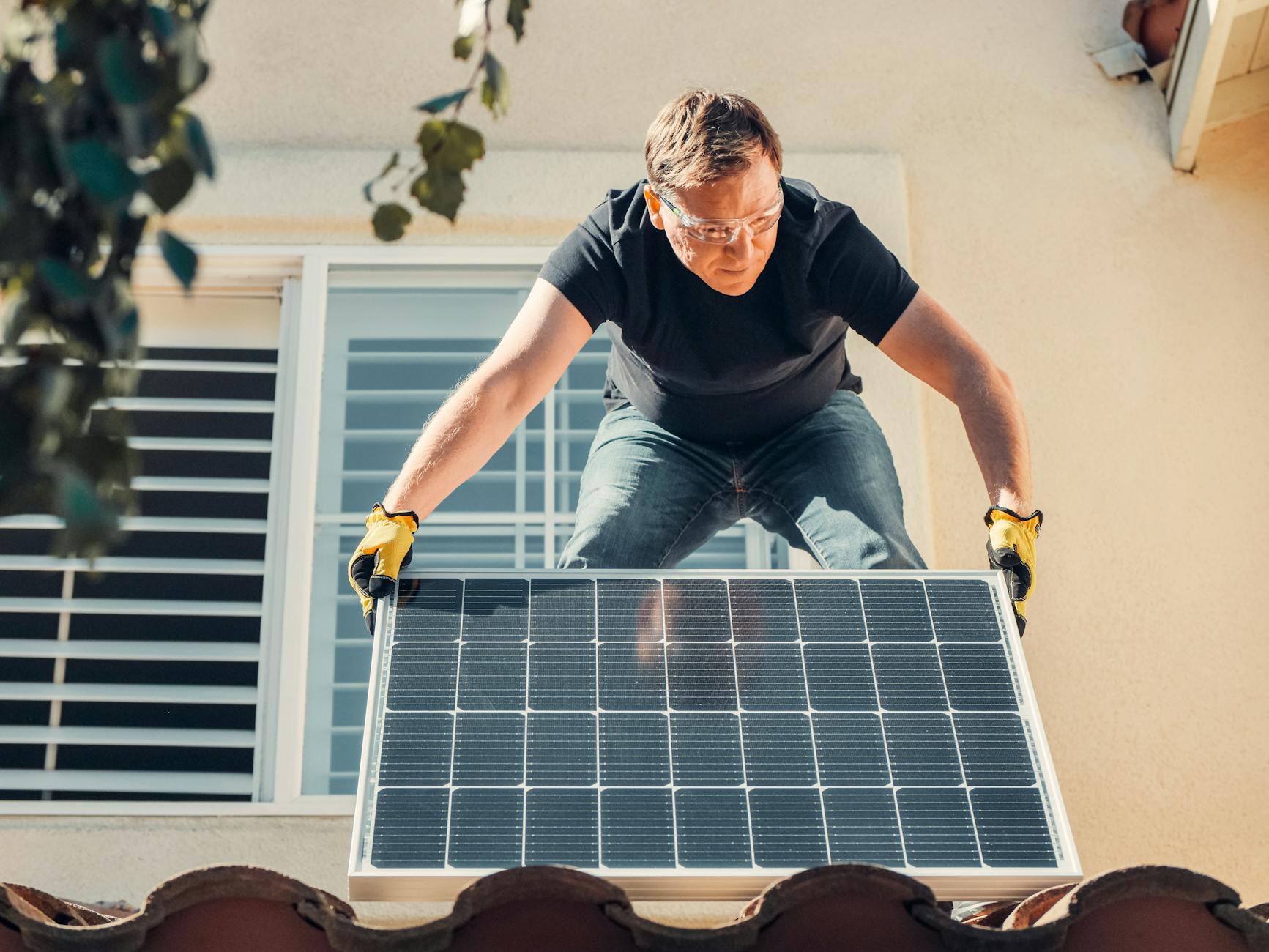
Transitioning to solar power requires careful planning and the right professional partner. A high-quality installation ensures your system operates safely and efficiently for decades. Because solar equipment represents a significant investment, you must vet potential contractors thoroughly. Follow these steps to identify a reliable solar installer for your home project.
Verify Credentials and Licensing
Start your search by checking the contractor’s legal status. Every state has specific requirements for solar installers. Most regions mandate an electrical contractor license for anyone working on home energy systems. Ask the company to provide their license number immediately. You can verify this information through your state’s contractor licensing board website. Confirm that the license remains active and covers solar photovoltaic work.
Next, look for professional certifications. The North American Board of Certified Energy Practitioners (NABCEP) offers the gold standard for solar installers. A NABCEP-certified professional has passed rigorous exams and demonstrated extensive field experience. While not every good installer holds this certification, it serves as a strong indicator of technical competence. Ask if the company employs certified installers or if they subcontract the electrical work to licensed professionals.
Review Track Record and References
Experience matters in the solar industry. Ask how many years the company has operated under its current name. A business with a long history in your local area is more likely to remain available for future maintenance. Ask for a list of three to five references from customers who had systems installed at least two years ago. Contact these homeowners to ask about their experience.
Ask specific questions during these conversations. Did the installation finish on schedule? Did the crew keep the job site clean? How does the company handle communication if a technical issue arises? Check online reviews on neutral platforms as well. Look for patterns in the feedback. A few negative reviews are normal, but consistent complaints about poor communication or faulty wiring should raise a red flag.
Analyze the Proposal and Equipment
A reliable installer provides a detailed, transparent proposal. Avoid companies that pressure you to sign a contract during the first meeting. A professional proposal should include a site survey, a production estimate, and a clear breakdown of costs. The installer should explain why they chose specific equipment for your roof. They should also discuss your home’s energy consumption patterns and how the system size aligns with your needs.
Pay attention to the equipment brands. Reputable installers typically use Tier 1 solar panels and high-quality inverters. Ask the installer why they prefer certain brands. They should explain the warranty terms for both the hardware and the labor. A standard solar warranty covers the panels for 25 years. The workmanship warranty, however, varies significantly between companies. Look for an installer who offers a workmanship warranty of at least five to ten years to protect against installation errors.
Assess Communication and Transparency
The quality of your initial interactions often predicts the quality of the installation. A reliable installer answers your questions clearly and without jargon. They should explain the permitting process, the interconnection agreement with your utility company, and the timeline for inspections. If an installer avoids questions about permits or utility requirements, look for another provider.
Transparency regarding subcontractors is also essential. Some large solar companies subcontract the actual installation work to third-party crews. This practice is not inherently bad, but you must know who will be on your roof. Ask the company if they use in-house employees or subcontractors. If they use subcontractors, ask about their vetting process and who holds the liability for the work. You want to ensure that the company you sign the contract with remains responsible for the entire project.
Finally, trust your instincts. If a salesperson makes promises that sound too good to be true, they probably are. Avoid installers who guarantee specific energy savings or claim to have exclusive government programs that do not exist. A professional installer focuses on the technical realities of your roof and your energy goals. By taking the time to verify credentials, check references, and review the proposal details, you can select a partner who will provide a safe and effective solar energy system for your home.
Related reading
 How to Compare Solar Quotes and Choose the Best Deal
 How to Identify a Trustworthy Solar Installer for Your Home
- How to Determine If Your Roof Can Support Solar Panels
 Essential Annual Maintenance for Your Solar Battery System
AI disclosure: this article was automatically drafted with AI assistance and reviewed before publishing. Written with AI assistance: gemini-3.1-flash-lite. It is general information, not professional medical, financial or legal advice.


0 comments:
Post a Comment