


Heating costs often represent the largest portion of a household budget during winter months. You can lower these expenses by making small adjustments to your home environment. These strategies focus on heat retention and efficient system management. Most of these steps require minimal investment and basic household tools.
Seal Air Leaks and Drafts
Warm air escapes through gaps around windows and doors. This process forces your furnace to work harder to maintain a steady temperature. Inspect your window frames for cracks or gaps. Apply weatherstripping to seal these openings effectively. You can purchase adhesive foam tape at any hardware store. It is inexpensive and easy to install on door frames.
Check the area beneath your exterior doors. A draft stopper prevents cold air from entering your living space. You can make a simple draft stopper using a rolled towel or a fabric tube filled with rice. Place these items against the base of the door when you are not using the entryway. This simple barrier keeps the warmth inside your rooms.
Examine your electrical outlets and light switches on exterior walls. Cold air often enters through these small openings. Install foam gaskets behind the faceplates to block these drafts. This task takes only a few minutes and requires a screwdriver. These minor seals prevent significant heat loss over the course of a season.
Optimize Your Heating System
Your furnace requires regular maintenance to operate at peak efficiency. Replace your air filters every one to three months. A clogged filter restricts airflow and forces the blower motor to consume more electricity. Clean filters allow the system to circulate warm air throughout your home without unnecessary strain.
Keep your vents and radiators clear of obstructions. Move furniture, rugs, and curtains away from these heat sources. Objects placed in front of vents block the flow of air into the room. This blockage causes the furnace to run longer than necessary to reach your desired temperature. Ensure that air can move freely into every corner of your living space.
Consider the use of a programmable thermostat. This device allows you to lower the temperature when you are asleep or away from home. Lowering the heat by a few degrees for eight hours each day can lead to noticeable savings. Modern smart thermostats offer remote control features that provide even greater precision. Adjusting your settings based on your daily schedule prevents wasted energy.
Manage Heat Distribution and Retention
Window treatments play a vital role in thermal management. Open your curtains during the day to allow sunlight to warm your home naturally. The sun provides free heat that reduces the load on your furnace. Close your curtains or blinds as soon as the sun sets. This layer of fabric acts as an insulator against the cold glass of the windows.
Ceiling fans can also assist with heat distribution. Most fans have a switch that reverses the direction of the blades. Set your fan to rotate clockwise at a low speed during the winter. This movement pushes warm air, which naturally rises to the ceiling, back down toward the floor. This simple trick makes a room feel warmer without increasing the thermostat setting.
Insulate your water heater to prevent heat loss. A water heater blanket is a cost-effective solution for older units. This insulation keeps the water hot for longer periods. You should also lower the temperature setting on your water heater to 120 degrees Fahrenheit. This temperature is sufficient for most household needs and reduces the energy required for heating water.
Adopt Energy-Conscious Habits
Your daily habits influence your total energy consumption. Wear warmer clothing inside your home to stay comfortable at lower temperatures. Use blankets and rugs to add warmth to your living areas. These items provide physical comfort without requiring the furnace to heat the entire house to a high degree.
Close the doors to rooms that you do not use frequently. This practice limits the volume of air that your furnace needs to heat. Focus your energy usage on the rooms where you spend the most time. Ensure that your home remains well-ventilated to prevent moisture buildup, but avoid leaving windows open unnecessarily.
Monitor your energy usage throughout the season. Many utility companies provide online tools to track your consumption patterns. Reviewing these reports helps you identify when your usage spikes. By combining these maintenance tasks and behavioral changes, you can manage your heating costs effectively. Consistent effort leads to a more efficient home and a more predictable budget.
Related reading
 Geyser Timers vs Solar Water Heating: A Cost Comparison
- Comparing Solar Water Heaters and Heat Pumps for Home Use
 Step‑by‑Step Guide to Planning a Home Energy Upgrade
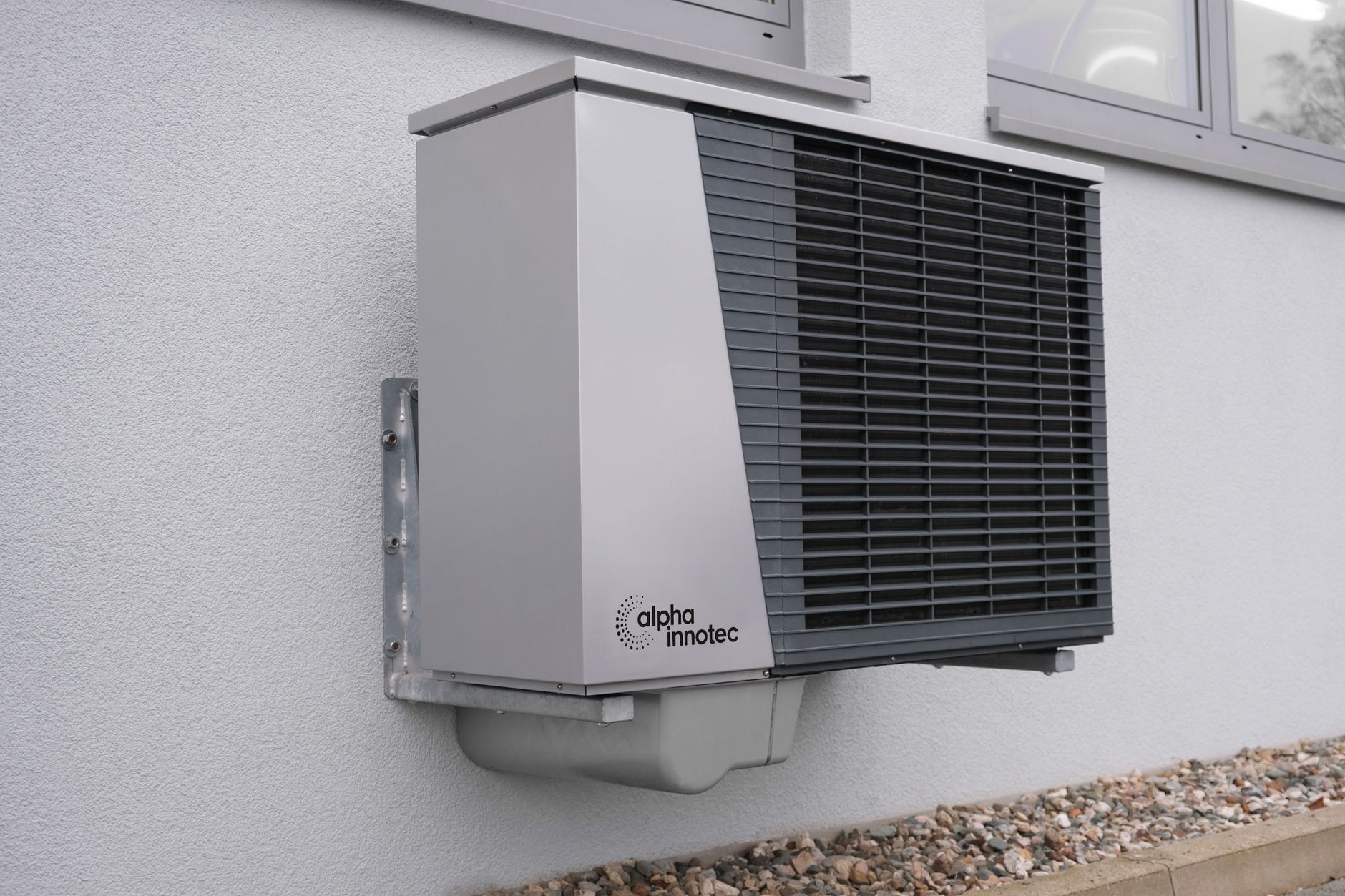 Understanding Heat Pump Efficiency Ratings: A Practical Guide
AI disclosure: this article was automatically drafted with AI assistance and reviewed before publishing. Written with AI assistance: gemini-3.1-flash-lite. It is general information, not professional medical, financial or legal advice.


