


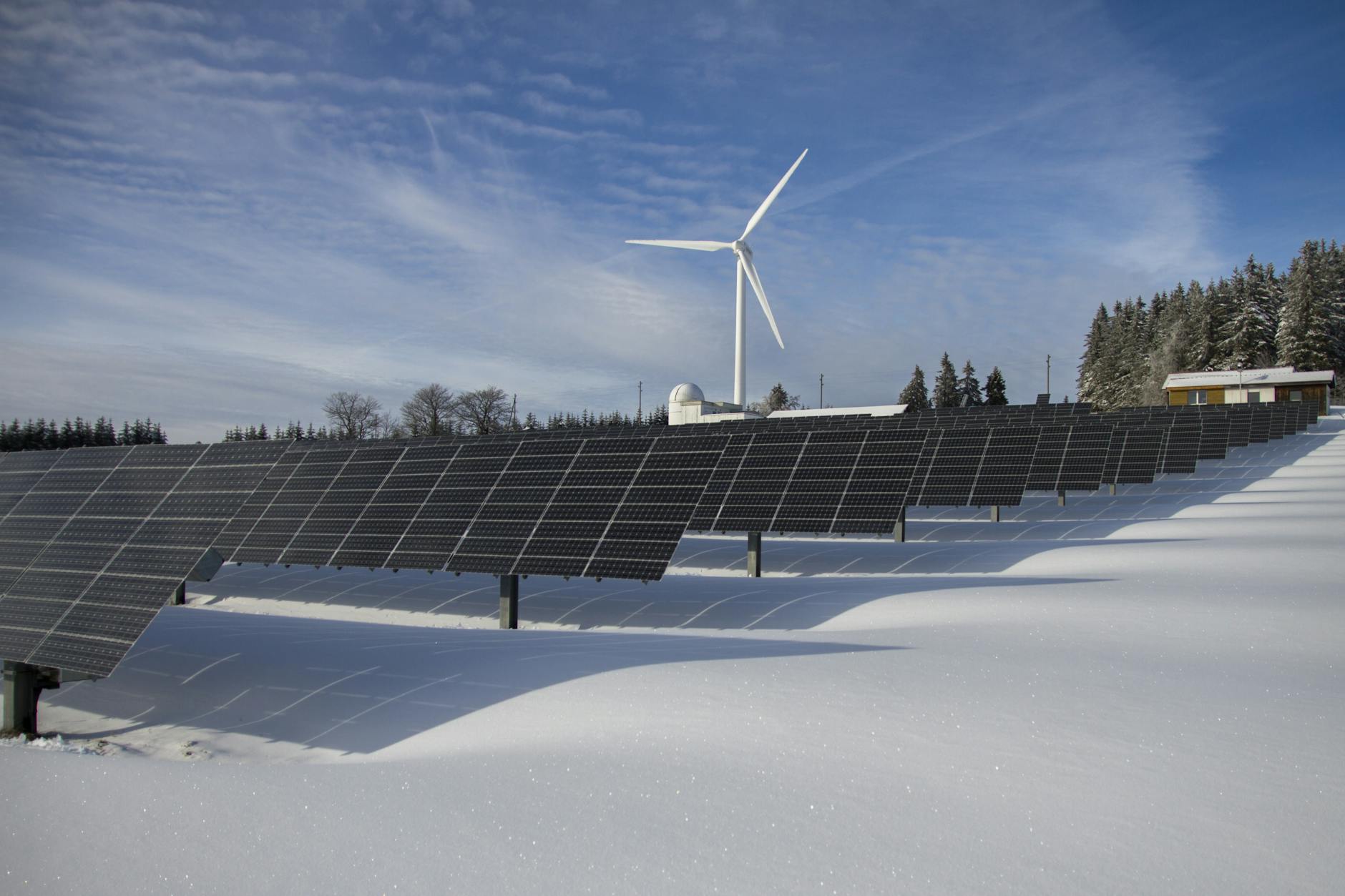
Winter brings cold temperatures, shorter days, and snow that can affect solar power systems. Proper care ensures panels keep generating electricity when you need it most. This guide explains practical steps to keep your solar array operating efficiently throughout the season.
Inspect and Clean Panels Regularly
Snow, ice, and debris can block sunlight from reaching the cells. After each snowfall, gently remove excess snow with a soft brush or a roof rake. Avoid using metal tools that could scratch the glass. If ice forms, let it melt naturally or use a low‑pressure water spray when temperatures rise above freezing.
Even without snow, wind can deposit dust, pollen, or bird droppings on the surface. Clean panels with a mild detergent and a soft cloth, following the manufacturer’s recommendations. Regular cleaning restores up to 10 % of lost output during winter.
Check Wiring and Connections
Cold weather can cause cables to contract, exposing connections to moisture. Inspect all visible wiring for cracks, corrosion, or loose terminals. Tighten any loose bolts and replace damaged insulation promptly. Use weather‑rated connectors designed for low temperatures to prevent water ingress.
Pay special attention to the junction box and inverter connections. These components often sit in exposed locations and may accumulate ice. Ensure the box remains sealed and that any condensation drains away from the electronics.
Maintain Battery Storage
If your system includes batteries, keep them within the recommended temperature range. Cold reduces battery capacity, so consider placing them in a insulated enclosure or a heated garage. Check electrolyte levels on lead‑acid batteries and top up with distilled water if needed.
For lithium‑ion batteries, avoid deep discharges during cold spells. Set the charge controller to limit discharge depth, and schedule regular charging cycles to keep the cells warm. Monitoring software can alert you to temperature drops that affect performance.
Optimize Tilt and Orientation
The angle of your panels influences how much sunlight they capture in winter. A steeper tilt helps snow slide off more easily and aligns the array with the lower sun path. If your mounting system allows, adjust the tilt to match the winter latitude angle, typically latitude plus 15 degrees.
Orientation toward true south (in the northern hemisphere) maximizes exposure. Minor adjustments can improve output by several percent, especially on cloudy days when diffuse light dominates.
Monitor System Performance
Use a monitoring platform to track daily production. Compare winter output to the same period in previous years. A sudden drop may indicate shading, a faulty inverter, or a wiring issue. Set up alerts for performance deviations beyond a chosen threshold.
Review the inverter’s display for error codes. Many modern inverters log temperature data, which helps you identify if overheating or extreme cold is affecting efficiency. Address any warnings promptly to avoid prolonged downtime.
Plan for Snow Load and Structural Safety
Heavy snow can add significant weight to the mounting structure. Verify that the roof or ground mount meets local snow‑load codes. Reinforce brackets or add additional supports if needed. Regularly clear snow from the roof to reduce stress on the panels and the building.
When clearing snow, work from the top down to prevent sliding snow from striking lower panels. If you notice any cracks or warping in the frame, contact a professional installer for assessment.
Schedule Professional Maintenance
Even with diligent DIY care, an annual professional inspection is valuable. Certified technicians can test voltage, current, and insulation resistance under load conditions. They also verify that the inverter’s firmware is up to date and that safety devices function correctly.
Ask the service provider to perform a thermal imaging scan. This technique spots hidden hotspots that may indicate loose connections or failing cells, allowing you to fix problems before they cause larger losses.
By following these steps, you can keep your solar power system productive throughout winter. Regular cleaning, careful inspection of wiring, proper battery care, and strategic tilt adjustments all contribute to reliable energy generation. Monitoring performance and scheduling professional checks add an extra layer of protection. With consistent attention, your solar array will continue to provide clean electricity even when the days are short and the weather is harsh.
Related reading
 How Solar Power Systems React When the Grid Fails
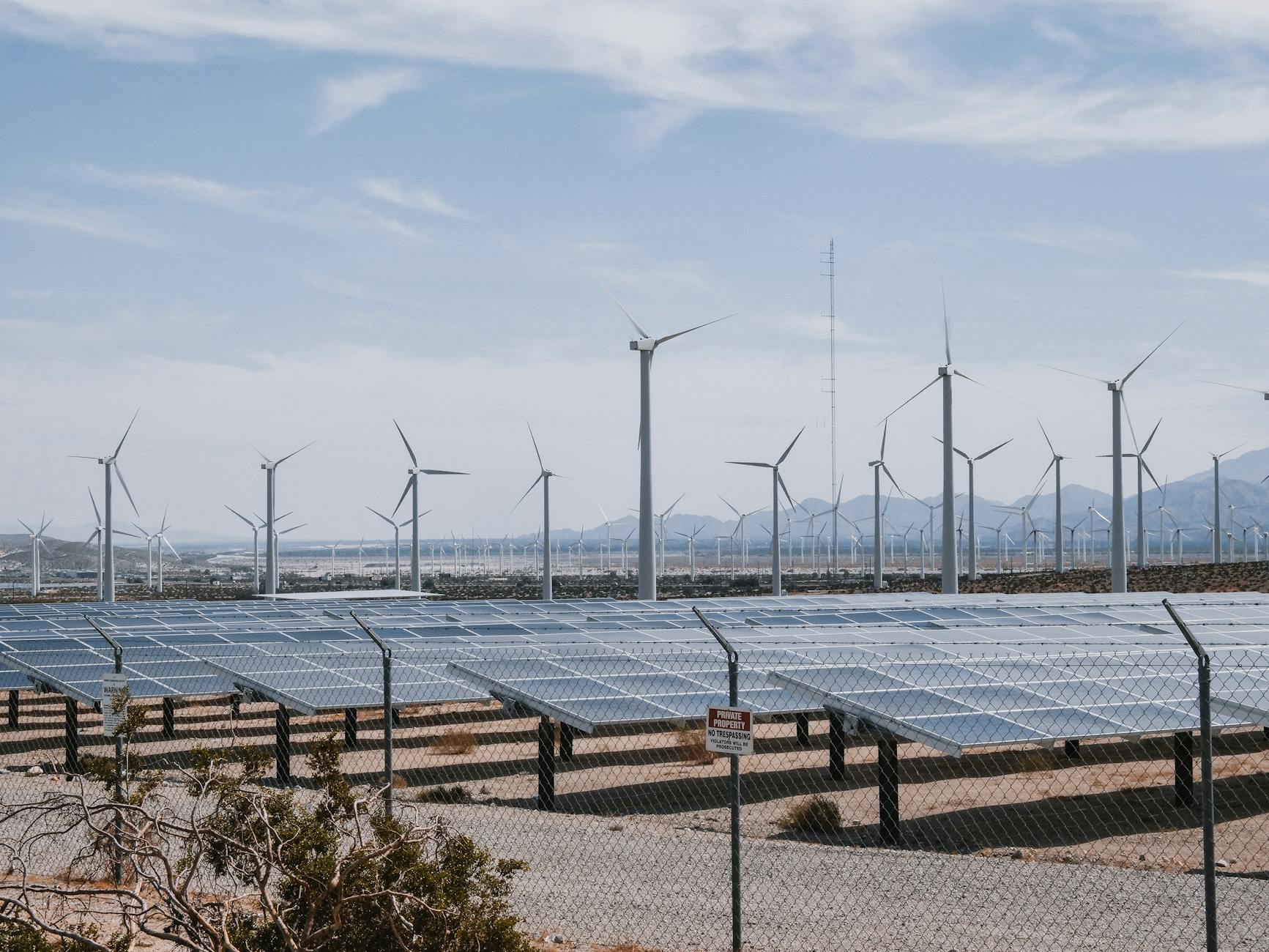 Solar vs Wind: Choosing the Best Home Power Solution
AI disclosure: this article was automatically drafted with AI assistance and reviewed before publishing. Written with AI assistance: openai/gpt-oss-120b. It is general information, not professional medical, financial or legal advice.


