

When the lights go out, you need a reliable source of electricity. Two common options are battery backup systems and portable generators. Both can keep essential appliances running, but they differ in cost, maintenance, noise, and environmental impact. Understanding these differences helps you pick the right solution for your home and budget.
How Each System Works
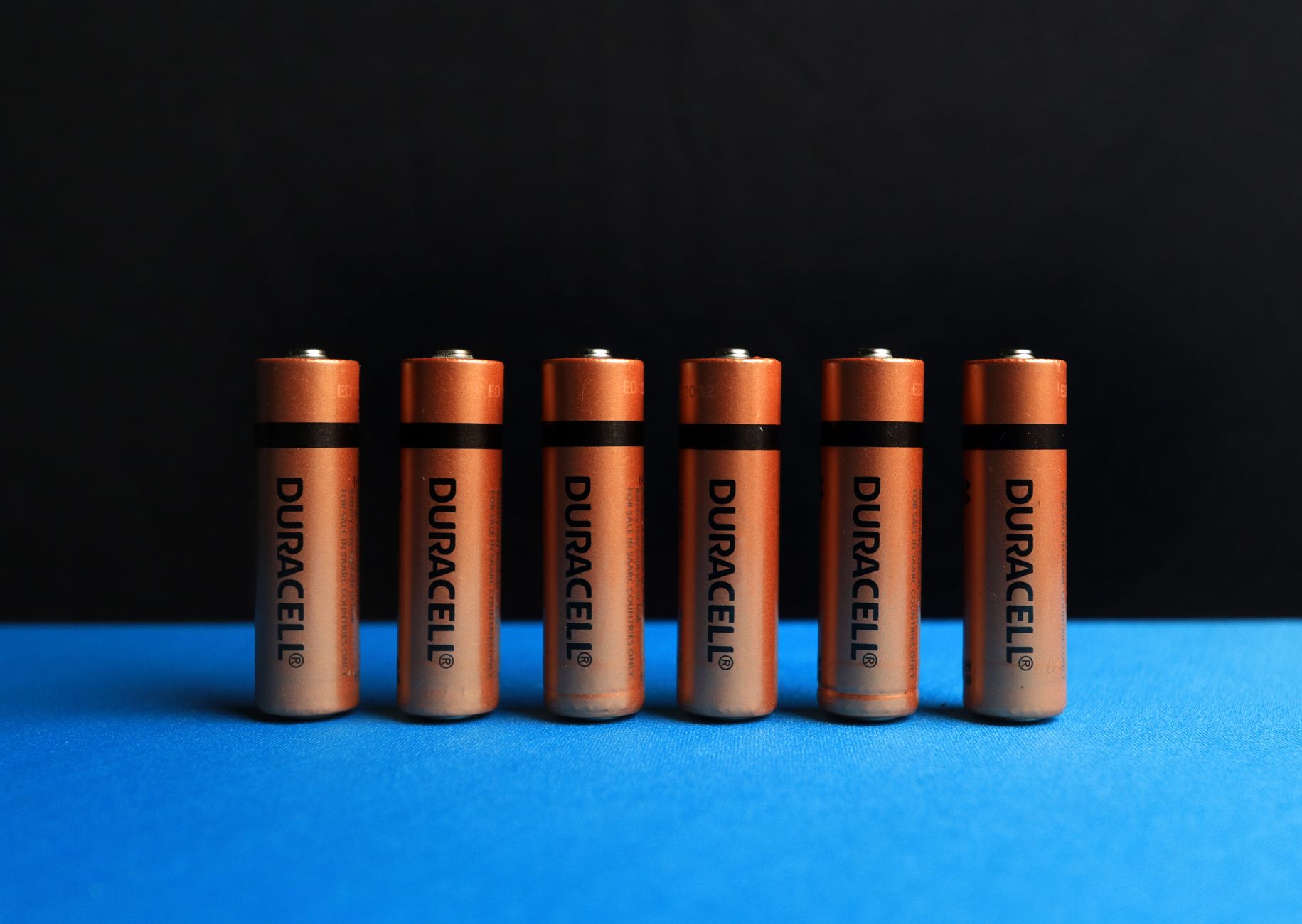
A battery backup, often called an uninterruptible power supply (UPS) or home battery, stores electricity in chemical cells. When the grid fails, the battery instantly supplies power to a pre‑wired circuit. The transition is seamless, so sensitive devices like computers or medical equipment never lose power.
A generator creates electricity by burning fuel—usually gasoline, diesel, or propane. An internal combustion engine turns a rotor, which produces alternating current. When the power goes out, you must start the generator manually or with an automatic transfer switch. The engine then runs until you turn it off or run out of fuel.
Key Factors to Compare
Cost and Installation. Battery systems range from a few hundred dollars for small units to several thousand for whole‑home models. Installation may require an electrician to connect the battery to your breaker panel. Generators cost anywhere from $500 for a basic portable unit to $5,000 for a larger standby model. Installation often involves a fuel line, exhaust vent, and a transfer switch, which can add to the price.
Runtime and Capacity. A battery’s capacity is measured in kilowatt‑hours (kWh). A typical home battery can run essential lights, a refrigerator, and a few outlets for 8‑12 hours. A generator’s runtime depends on fuel size; a 5‑gallon gasoline tank can power a 5‑kilowatt generator for 10‑12 hours under moderate load. Larger standby generators can run for days if connected to a continuous fuel source.
Maintenance. Batteries need periodic checks, temperature control, and eventual replacement after 5‑15 years. Generators require oil changes, spark plug replacement, and fuel stabilizer to prevent degradation. Neglecting maintenance can lead to failure when you need power most.
Noise and Emissions. Battery backups operate silently because they have no moving parts. Generators produce noise levels of 60‑80 decibels, similar to a dishwasher or lawn mower. They also emit carbon monoxide and other pollutants, so they must be placed outdoors with proper ventilation.
Environmental Impact. Batteries use recyclable materials, but their production and disposal have a carbon footprint. Generators burn fossil fuels, releasing greenhouse gases each time they run. If you prioritize a greener solution, a battery may be the better choice.
When to Choose a Battery Backup
If you need instant power for sensitive electronics, a battery is ideal. The seamless switch protects computers, home security systems, and medical devices from voltage spikes. Batteries also work well in areas with frequent short outages, where a generator’s start‑up delay would be inconvenient.
Homeowners who value quiet operation and want to avoid fuel storage often prefer batteries. They are also a good fit for solar‑powered homes, as excess solar energy can charge the battery for later use.
When a Generator Is the Better Fit
If you require long‑term power for high‑energy appliances like electric heating, water pumps, or a whole‑house backup, a generator provides more kilowatts than most batteries. Generators excel during extended outages caused by storms or grid failures that last several days.
Rural properties without reliable grid service often rely on generators as the primary power source. In these cases, the ability to refuel on site and run for long periods outweighs the noise and emissions concerns.
Making the Final Decision
Start by listing the devices you must keep running during an outage. Calculate their total wattage and estimate how long you need them powered. Compare that number to the capacity of available battery systems and the runtime of generators with reasonable fuel tanks.
Next, factor in your budget for purchase, installation, and ongoing maintenance. Consider local regulations—some neighborhoods restrict generator noise or require permits for fuel storage.
Finally, weigh personal preferences. If silent, clean power is a priority, a battery backup aligns with that goal. If you need robust, long‑lasting power and are comfortable handling fuel, a generator may be the smarter investment.
Both options can complement each other. Some homeowners install a battery for immediate backup and keep a generator as a secondary source for prolonged outages. This hybrid approach offers the best of both worlds: instant power and extended endurance.
Choose the solution that matches your power needs, budget, and lifestyle. With careful planning, you can keep your home safe and functional when the grid goes down.
Related reading
 How to Choose the Right Solar Battery for Your Home
 When to Upgrade from a Single to Dual Battery Setup
AI disclosure: this article was automatically drafted with AI assistance and reviewed before publishing. Written with AI assistance: openai/gpt-oss-120b. It is general information, not professional medical, financial or legal advice.


0 comments:
Post a Comment