Test

Test

Tuesday, November 10, 2026

Safe Operation Guidelines for Home Lithium Battery Systems

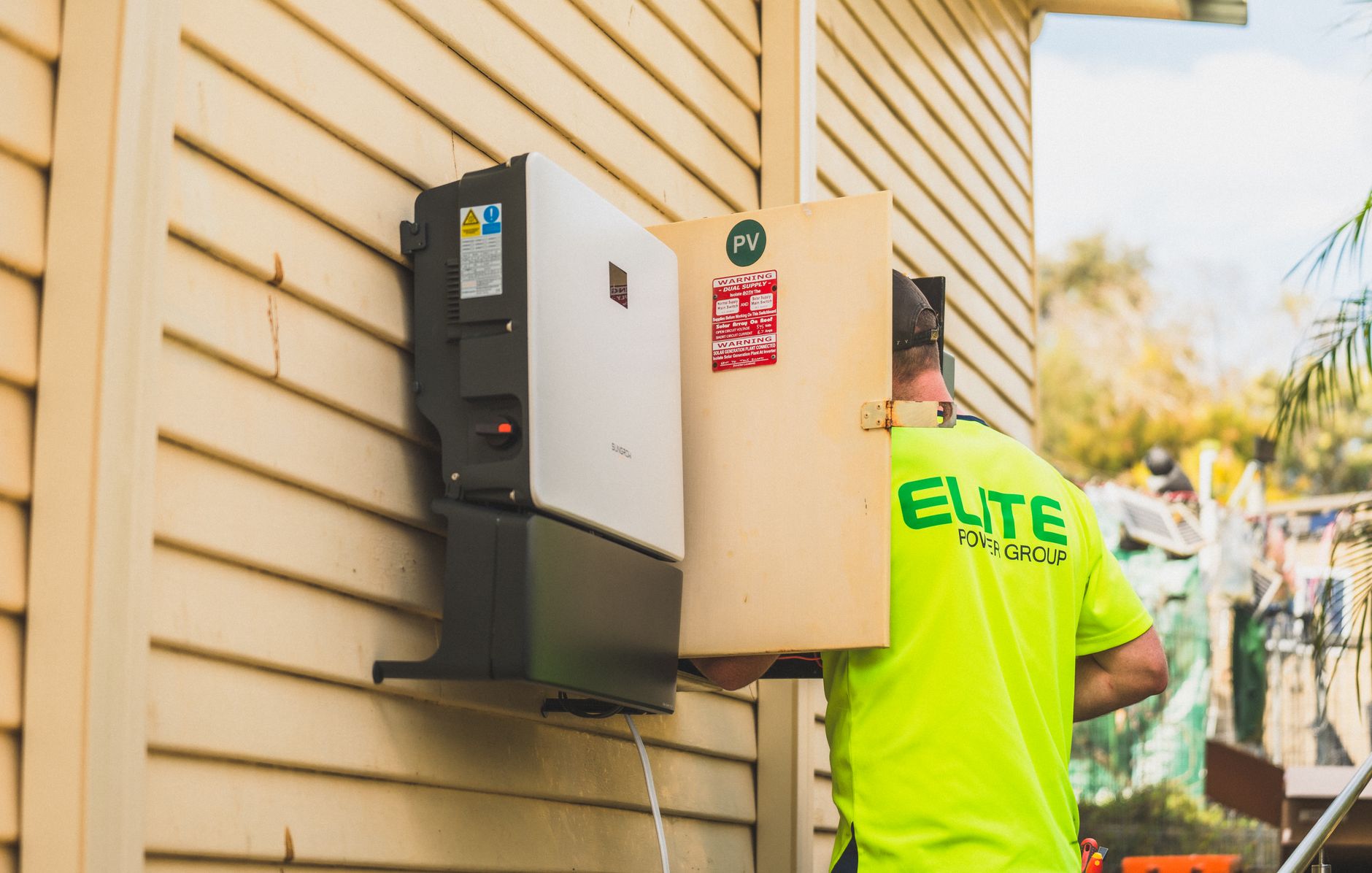
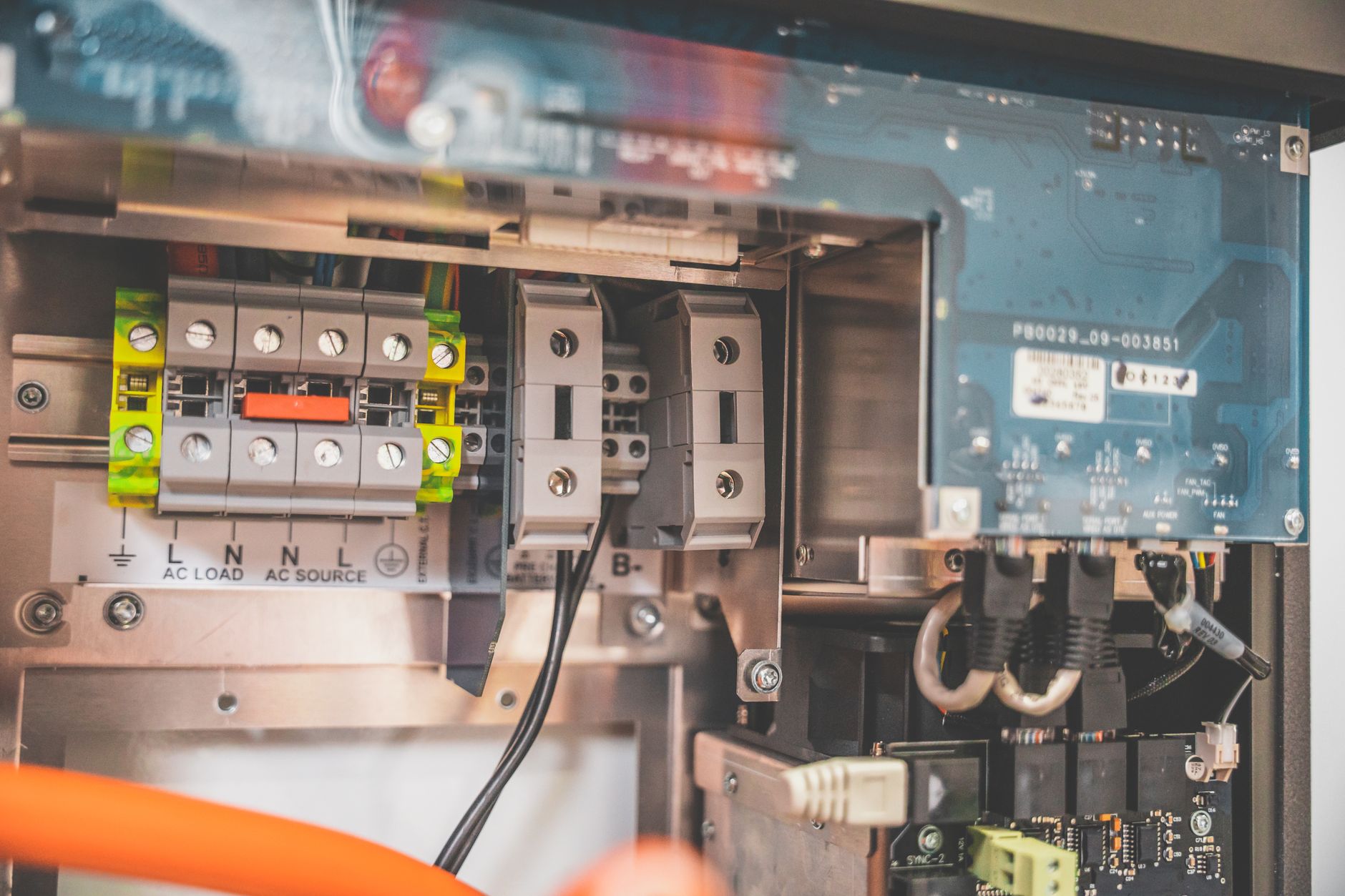
Electrician installing a home energy battery storage unit. Renewable and sustainable energy solution for residential use.

Lithium iron phosphate batteries provide efficient energy storage for modern homes. These systems offer high energy density and long lifespans. However, they require specific handling to maintain safety and performance. Proper installation and monitoring prevent common hazards like overheating or electrical faults.

Environmental Controls and Placement

Temperature management remains the most critical factor for lithium battery health. Most manufacturers specify an operating range between 32 and 113 degrees Fahrenheit. Charging a battery below freezing causes permanent damage to the internal chemistry. Always install your battery bank in a climate-controlled space. Avoid garages or sheds that experience extreme seasonal temperature swings. Keep the unit away from direct sunlight and heat sources like furnaces. Proper airflow around the casing prevents heat buildup during heavy discharge cycles. Ensure the installation area remains dry and free from high humidity levels. Moisture can corrode electrical connections and trigger short circuits over time.

Electrical Safety and Integration

A robust battery system relies on a high-quality Battery Management System, or BMS. This internal computer monitors voltage, current, and temperature for every individual cell. Never bypass or disable the BMS for any reason. It acts as the primary defense against overcharging and deep discharging. Use only compatible chargers designed specifically for your battery chemistry. Mismatched charging profiles can lead to thermal runaway or cell degradation. Ensure all wiring uses the correct gauge for the expected current load. Loose connections create resistance, which generates dangerous heat at contact points. Inspect all terminals and cables every six months for signs of wear or discoloration. Use torque wrenches to tighten bolts to the manufacturer's exact specifications. A professional electrician should verify the grounding and circuit protection before you activate the system.

Maintenance and Emergency Protocols

Routine visual inspections help identify potential issues before they escalate. Look for signs of swelling, leaking, or unusual odors coming from the battery casing. If you notice any physical deformation, disconnect the system immediately and contact the manufacturer. Keep the area around the battery clear of flammable materials like cardboard, paper, or cleaning chemicals. Maintain a clear path to the battery disconnect switch for quick access during emergencies. Install a fire extinguisher rated for electrical fires in the same room as the battery bank. Familiarize all household members with the location of the main power cutoff. If the system displays a fault code, consult the user manual before attempting a reset. Do not attempt to open the battery casing or repair internal components yourself. Lithium batteries contain high-energy components that pose significant risks to untrained individuals. Always follow the manufacturer's specific guidelines for decommissioning or recycling old units.

Optimizing System Longevity

You can extend the life of your lithium battery through smart usage habits. Avoid keeping the battery at 100 percent charge for extended periods if you do not need the capacity. Storing the battery at a partial state of charge, around 50 to 80 percent, reduces internal stress. Limit the depth of discharge during daily use to preserve cycle life. Most systems perform best when you avoid draining them completely. Monitor your energy consumption patterns to ensure the battery bank matches your household needs. If you plan to leave your home for an extended period, follow the manufacturer's storage instructions. This often involves disconnecting the battery and placing it in a specific sleep mode. Consistent monitoring through the provided software interface allows you to track performance trends. Early detection of voltage imbalances can prevent more serious failures later. By following these technical standards, you ensure a reliable and safe energy storage experience for your home.

Related reading
AI disclosure: this article was automatically drafted with AI assistance and reviewed before publishing. Written with AI assistance: gemini-3.1-flash-lite. It is general information, not professional medical, financial or legal advice.
Monday, November 9, 2026

Gel vs Lithium Batteries: Choosing the Best Home Backup

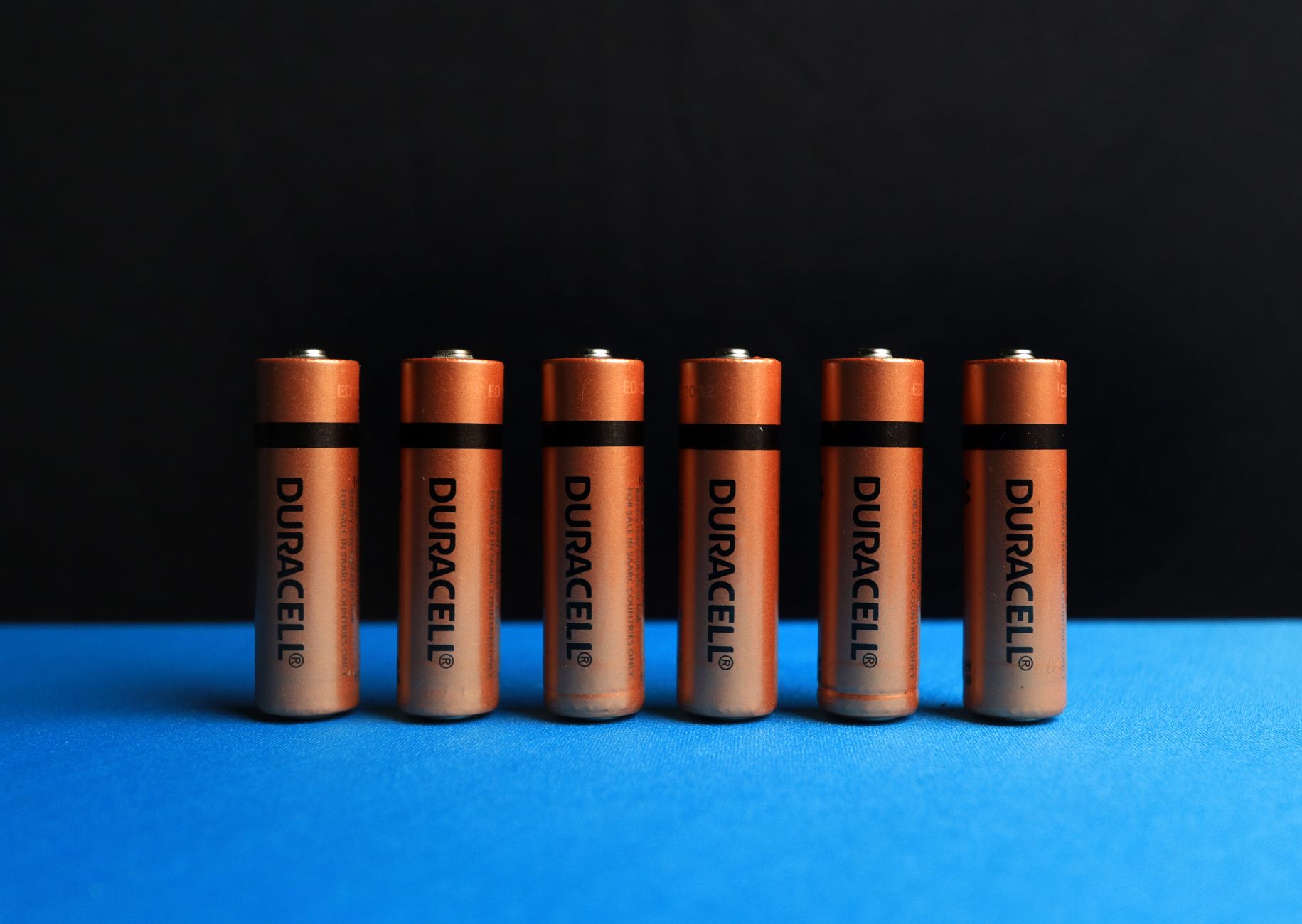
A lined up set of AA batteries with black and blue background.

Understanding the Basics

When a power outage strikes, a reliable backup system can keep essential appliances running. Two common options are gel‑type lead‑acid batteries and lithium‑ion batteries. Both store electricity, but they differ in chemistry, performance, and cost.

Gel batteries use a silica‑based electrolyte that is immobilized in a thick, jelly‑like substance. This design eliminates the need for venting and reduces the risk of acid spills. Lithium batteries, typically lithium‑iron‑phosphate (LiFePO4) or lithium‑nickel‑manganese‑cobalt (NMC), rely on solid‑state chemistry and lightweight metal plates.

Key Performance Factors

Energy density. Lithium cells pack more watt‑hours per kilogram than gel cells. A 10 kWh lithium system may weigh under 100 lb, while a comparable gel system can exceed 300 lb. Higher density means smaller space requirements.

Depth of discharge (DoD). Gel batteries safely discharge to about 50 % of their rated capacity without harming lifespan. Lithium batteries tolerate 80‑90 % DoD, delivering more usable energy from the same rated capacity.

Charge cycles. Gel units typically last 500‑800 cycles before capacity drops noticeably. Lithium units often exceed 2,000 cycles, extending the useful life of the backup system.

Temperature tolerance. Gel batteries perform well in cold environments but lose efficiency above 30 °C. Lithium batteries maintain stable output across a broader temperature range, though extreme heat can accelerate degradation.

Installation and Maintenance

Gel batteries are heavy and require sturdy mounting. They also need periodic equalization charges to balance cell voltage. Maintenance includes checking terminal connections and ensuring the battery room stays ventilated.

Lithium batteries are lighter and can be wall‑mounted. They feature built-in battery management systems (BMS) that protect against over‑charge, over‑discharge, and temperature spikes. This reduces the need for routine checks.

Both types need a compatible inverter and charge controller. However, lithium systems often integrate these functions, simplifying wiring and reducing component count.

Cost Considerations

Upfront price is the most visible difference. Gel batteries cost roughly $150‑$200 per kilowatt‑hour, while lithium batteries range from $400‑$600 per kilowatt‑hour. The higher initial expense for lithium can be offset by longer life, higher efficiency, and lower maintenance.

When calculating total cost of ownership, include replacement frequency, labor for installation, and energy losses. Gel systems may require replacement every 5‑7 years, whereas lithium units can last 10‑15 years with minimal service.

Which Battery Fits Your Home?

If you prioritize low upfront cost and have space for heavy equipment, gel batteries can be a practical choice. They work well in off‑grid cabins or backup setups where budget constraints dominate.

If you need compact size, higher usable capacity, and minimal maintenance, lithium batteries are the better fit. They excel in modern homes with limited battery rooms and where long‑term reliability matters.

Assess your power needs, available space, climate, and budget before deciding. Both technologies can provide dependable backup; the right match depends on the specific demands of your household.

Related reading

AI disclosure: this article was automatically drafted with AI assistance and reviewed before publishing. Written with AI assistance: openai/gpt-oss-120b. It is general information, not professional medical, financial or legal advice.

Wednesday, October 21, 2026

Maximizing Your Home Solar Power Usage Efficiently

Solar panels on tiled roofs of houses with chimneys, capturing clean energy.

Solar panels turn sunlight into electricity, but many homeowners only use a fraction of the power they generate. By adjusting habits, adding equipment, and optimizing the system, you can capture more of that clean energy. This guide shows practical steps you can take without major renovations.

Track Production and Consumption

First, understand how much electricity your panels produce and when you use it. Install a monitoring app or a smart meter that displays real‑time data. Look for patterns: peak production usually occurs mid‑day, while most appliances run in the morning or evening. Knowing these trends helps you match usage to generation.

Shift High‑Demand Loads to Sunlight Hours

Run energy‑hungry devices when the sun is strongest. Schedule the dishwasher, washing machine, and dryer for midday cycles. Many modern appliances have delay timers that let you set a start time. If you have a programmable thermostat, set heating or cooling to run during daylight. Even small changes, like charging phones or laptops at noon, add up.

Upgrade to Smart Appliances and Controls

Smart plugs and switches let you automate load shifting. Connect a plug to a water heater or pool pump, then program it to turn on when solar output exceeds a set threshold. Some inverters offer built‑in load‑management features that automatically divert excess power to selected circuits.

Store Excess Energy

Battery storage is the most direct way to keep surplus solar power for later use. A modest home battery can hold enough energy to run essential lights and devices after sunset. If a full battery system is too costly, consider a smaller backup unit for critical loads. Even a few kilowatt‑hours of storage can reduce reliance on the grid.

Utilize Thermal Energy Options

Heat water or air directly with solar energy. Install a solar water heater that works alongside your photovoltaic panels. The heater uses sunlight to warm water, cutting the need for electric heating. For space heating, consider a solar‑powered air‑source heat pump that runs when panels are producing.

Improve System Efficiency

Keep panels clean and free of shade. Dust, leaves, and snow can lower output by up to 20 percent. Trim overhanging branches and clean the surface with a soft brush and water. Check the inverter and wiring for any faults that could cause losses.

Consider Net Metering and Export Strategies

If your utility offers net metering, excess solar power can be sent back to the grid for credits. Review your rate plan to see if you are compensated fairly. Some programs allow you to schedule exports during peak demand periods, which can increase earnings.

Adopt Energy‑Efficient Practices

Reduce overall demand to make the most of what you generate. Replace incandescent bulbs with LEDs, seal windows and doors, and add insulation. The less energy you need, the larger the share of solar you can use.

By combining these tactics, you can raise the percentage of solar electricity that stays in your home. Start with simple habit changes, then add technology as budget allows. Over time, you’ll see lower bills, a smaller carbon footprint, and greater independence from the grid.

Related reading

AI disclosure: this article was automatically drafted with AI assistance and reviewed before publishing. Written with AI assistance: openai/gpt-oss-120b. It is general information, not professional medical, financial or legal advice.

Battery Backup vs Generator: How to Choose the Right Power Solution

A lined up set of AA batteries with black and blue background.

When the lights go out, you need a reliable source of electricity. Two common options are battery backup systems and portable generators. Both can keep essential appliances running, but they differ in cost, maintenance, noise, and environmental impact. Understanding these differences helps you pick the right solution for your home and budget.

How Each System Works

A battery backup, often called an uninterruptible power supply (UPS) or home battery, stores electricity in chemical cells. When the grid fails, the battery instantly supplies power to a pre‑wired circuit. The transition is seamless, so sensitive devices like computers or medical equipment never lose power.

A generator creates electricity by burning fuel—usually gasoline, diesel, or propane. An internal combustion engine turns a rotor, which produces alternating current. When the power goes out, you must start the generator manually or with an automatic transfer switch. The engine then runs until you turn it off or run out of fuel.

Key Factors to Compare

Cost and Installation. Battery systems range from a few hundred dollars for small units to several thousand for whole‑home models. Installation may require an electrician to connect the battery to your breaker panel. Generators cost anywhere from $500 for a basic portable unit to $5,000 for a larger standby model. Installation often involves a fuel line, exhaust vent, and a transfer switch, which can add to the price.

Runtime and Capacity. A battery’s capacity is measured in kilowatt‑hours (kWh). A typical home battery can run essential lights, a refrigerator, and a few outlets for 8‑12 hours. A generator’s runtime depends on fuel size; a 5‑gallon gasoline tank can power a 5‑kilowatt generator for 10‑12 hours under moderate load. Larger standby generators can run for days if connected to a continuous fuel source.

Maintenance. Batteries need periodic checks, temperature control, and eventual replacement after 5‑15 years. Generators require oil changes, spark plug replacement, and fuel stabilizer to prevent degradation. Neglecting maintenance can lead to failure when you need power most.

Noise and Emissions. Battery backups operate silently because they have no moving parts. Generators produce noise levels of 60‑80 decibels, similar to a dishwasher or lawn mower. They also emit carbon monoxide and other pollutants, so they must be placed outdoors with proper ventilation.

Environmental Impact. Batteries use recyclable materials, but their production and disposal have a carbon footprint. Generators burn fossil fuels, releasing greenhouse gases each time they run. If you prioritize a greener solution, a battery may be the better choice.

When to Choose a Battery Backup

If you need instant power for sensitive electronics, a battery is ideal. The seamless switch protects computers, home security systems, and medical devices from voltage spikes. Batteries also work well in areas with frequent short outages, where a generator’s start‑up delay would be inconvenient.

Homeowners who value quiet operation and want to avoid fuel storage often prefer batteries. They are also a good fit for solar‑powered homes, as excess solar energy can charge the battery for later use.

When a Generator Is the Better Fit

If you require long‑term power for high‑energy appliances like electric heating, water pumps, or a whole‑house backup, a generator provides more kilowatts than most batteries. Generators excel during extended outages caused by storms or grid failures that last several days.

Rural properties without reliable grid service often rely on generators as the primary power source. In these cases, the ability to refuel on site and run for long periods outweighs the noise and emissions concerns.

Making the Final Decision

Start by listing the devices you must keep running during an outage. Calculate their total wattage and estimate how long you need them powered. Compare that number to the capacity of available battery systems and the runtime of generators with reasonable fuel tanks.

Next, factor in your budget for purchase, installation, and ongoing maintenance. Consider local regulations—some neighborhoods restrict generator noise or require permits for fuel storage.

Finally, weigh personal preferences. If silent, clean power is a priority, a battery backup aligns with that goal. If you need robust, long‑lasting power and are comfortable handling fuel, a generator may be the smarter investment.

Both options can complement each other. Some homeowners install a battery for immediate backup and keep a generator as a secondary source for prolonged outages. This hybrid approach offers the best of both worlds: instant power and extended endurance.

Choose the solution that matches your power needs, budget, and lifestyle. With careful planning, you can keep your home safe and functional when the grid goes down.

Related reading

AI disclosure: this article was automatically drafted with AI assistance and reviewed before publishing. Written with AI assistance: openai/gpt-oss-120b. It is general information, not professional medical, financial or legal advice.

Wednesday, October 7, 2026

How Load Shedding Impacts Solar Power System Performance

Detailed close-up view of solar panels showcasing renewable energy technology.

Load shedding, the intentional interruption of electricity supply, is common in many regions facing grid constraints. While it protects the larger network, it also creates challenges for solar power systems. Understanding these effects helps owners and installers design more resilient setups.

Reduced Grid Interaction and Export Limits

When the grid goes offline, solar inverters that rely on a stable grid frequency may stop feeding power to the network. Many grid‑tied inverters are programmed to shut down during a grid outage to avoid back‑feeding electricity, which could endanger line workers. This safety feature means that during load shedding, the solar array may produce electricity that cannot be exported, limiting the system’s overall output.

In regions with net‑metering policies, households lose the opportunity to earn credits for excess generation during outages. The lost export can represent a significant portion of the system’s annual yield, especially in areas where load shedding occurs frequently.

Battery Storage Benefits and Limitations

Battery storage can mitigate the impact of load shedding by capturing solar energy for later use. When the grid is down, a properly configured battery system can continue to supply power to critical loads. However, the effectiveness of this solution depends on several factors.

First, the battery’s capacity must be sufficient to cover the desired load duration. A small battery may only provide a few hours of backup, while larger installations can sustain homes for days. Second, the inverter must support hybrid operation, allowing seamless transition between grid‑connected and off‑grid modes. Not all inverters have this capability, and retrofitting an existing system can be costly.

Third, battery degradation over time reduces usable capacity. Owners should monitor state‑of‑health metrics and plan for eventual replacement to maintain reliable backup during load shedding events.

Impact on System Monitoring and Maintenance

Load shedding can interfere with remote monitoring platforms that rely on continuous internet connectivity. When the grid is down, cellular or satellite links may also be disrupted, causing gaps in performance data. These gaps make it harder to diagnose issues or verify that the system is operating as expected.

Additionally, frequent power interruptions can stress inverter components. Repeated start‑stop cycles increase thermal cycling, which may shorten the inverter’s lifespan. Regular maintenance checks become more important in such environments to detect early signs of wear.

Design Strategies to Improve Resilience

To reduce the negative effects of load shedding, designers can adopt several strategies. Installing a hybrid inverter that automatically switches to battery mode during outages ensures continuous power supply without manual intervention. Pairing the inverter with a smart energy management system allows prioritization of essential loads, extending backup duration.

Another approach is to size the solar array slightly larger than the average daily consumption. The excess generation can be stored in the battery or used to pre‑charge the battery before scheduled load‑shedding periods. Some utilities publish load‑shedding schedules, enabling owners to plan battery charging accordingly.

Finally, incorporating a backup generator as a secondary source can provide additional security. While generators emit emissions, they can recharge batteries when solar production is insufficient, ensuring that critical appliances remain operational.

In summary, load shedding reduces the amount of solar energy that can be exported and places higher demands on storage and inverter technology. By selecting hybrid inverters, optimizing battery capacity, and employing smart controls, solar owners can maintain performance and reliability even when the grid is intermittently unavailable.

AI disclosure: this article was researched and written with AI assistance and reviewed before publishing. It is general information, not professional medical, financial or legal advice.

Related reading