


Upgrading a home for energy efficiency often feels like a massive undertaking. Many homeowners feel overwhelmed by the sheer number of potential projects. You do not need to renovate your entire house at once. A staged approach allows you to manage your budget while steadily improving comfort and performance. This method ensures that each upgrade builds upon the last for maximum effectiveness.
Start with the Building Envelope
The most effective way to save energy is to stop heat from escaping. Before you buy expensive new equipment, look at your home's shell. This includes your roof, walls, windows, and doors. Air leaks act like open windows during the winter. Use a simple incense stick or a thermal camera to find drafts around window frames and door seals. Apply caulk or weatherstripping to these gaps immediately. This is a low-cost task that provides instant results.
Next, evaluate your insulation levels. Heat rises, so the attic is your first priority. Most older homes lack sufficient insulation in the attic space. Adding extra fiberglass or cellulose insulation creates a thermal barrier. This keeps your living space warm in the winter and cool in the summer. Once the envelope is tight, your heating and cooling systems do not have to work as hard. This reduces wear on your equipment and lowers your monthly utility bills.
Optimize Your Heating and Cooling Systems
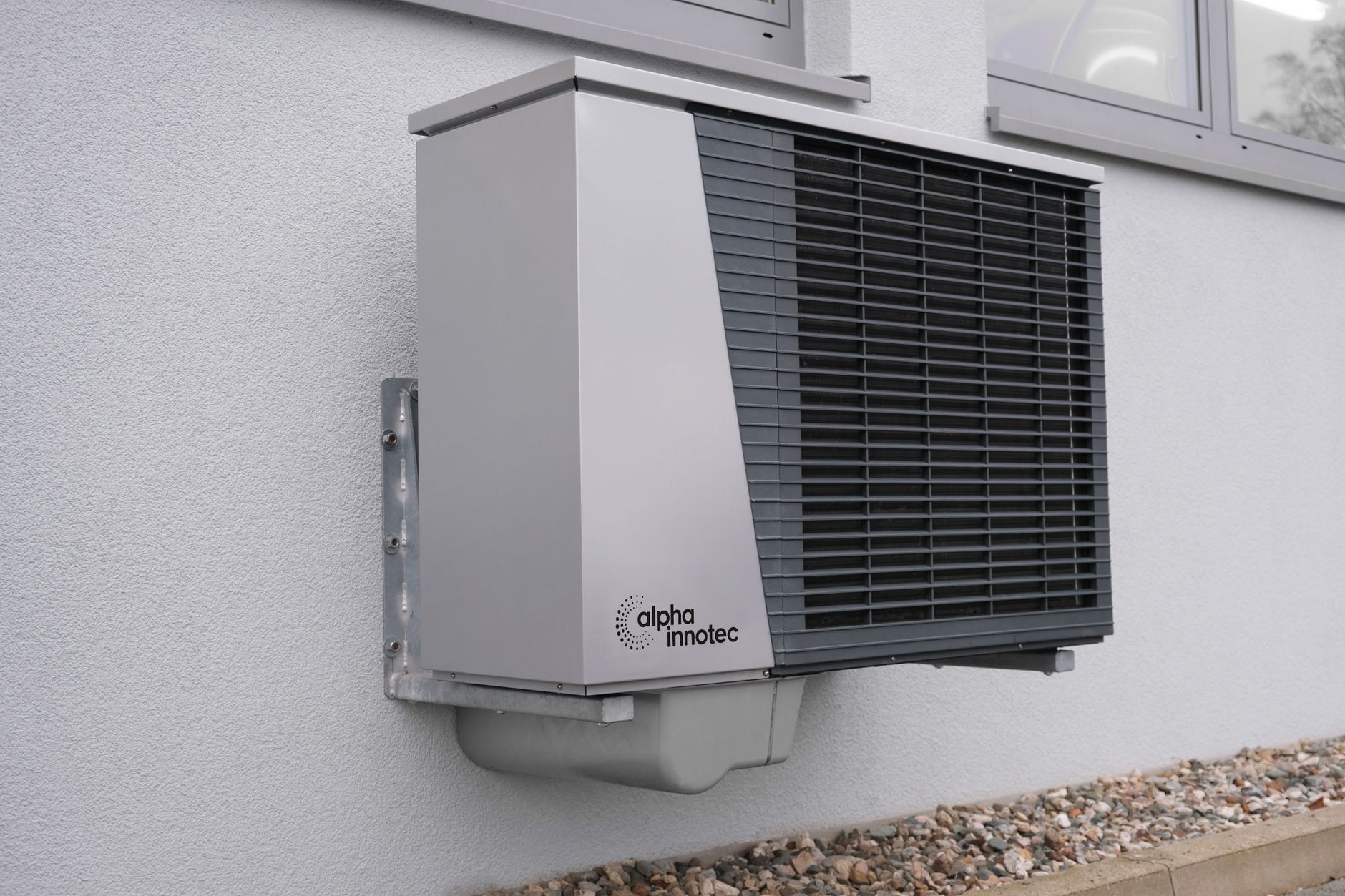
Once your home is well-sealed, you can address your mechanical systems. Older furnaces and air conditioners often run inefficiently. If your equipment is more than fifteen years old, it likely consumes more power than modern models. Research high-efficiency heat pumps or condensing boilers. These systems move heat rather than generating it through combustion. They offer significant improvements in performance compared to traditional forced-air furnaces.
Consider installing a smart thermostat during this stage. These devices learn your schedule and adjust temperatures automatically. They prevent you from heating or cooling an empty house. Pair this with regular maintenance, such as changing air filters every three months. Clean filters allow air to flow freely through your ducts. This simple habit prevents your system from straining and extends its operational life. Proper maintenance is a critical part of any long-term energy plan.
Integrate Renewable Energy and Smart Tech
After you have reduced your energy demand, you can consider generating your own power. Solar panels are a popular choice for many homeowners. Because you have already improved your insulation and upgraded your HVAC system, you will need fewer panels to meet your needs. This makes your solar investment more affordable and efficient. Consult with a local installer to assess your roof's orientation and sun exposure.
Lighting and appliances also play a role in your energy footprint. Replace all incandescent bulbs with LED alternatives. These use a fraction of the electricity and last for years. When your current appliances reach the end of their life, replace them with high-efficiency models. Look for labels that indicate low energy consumption. These small changes add up over time. By tackling these projects in stages, you maintain control over your home improvement journey. You avoid the stress of a total renovation while creating a more comfortable and sustainable living space. Focus on the building envelope first, then move to mechanical systems, and finish with renewable energy. This logical progression ensures that every dollar you spend provides the best possible return on your investment.
Related reading
 Step‑by‑Step Guide to Planning a Home Energy Upgrade
 Understanding Heat Pump Efficiency Ratings: A Practical Guide
 Geyser Timers vs Solar Water Heating: A Cost Comparison
 Sizing a Solar Power System for Your Small Business
AI disclosure: this article was automatically drafted with AI assistance and reviewed before publishing. Written with AI assistance: gemini-3.1-flash-lite. It is general information, not professional medical, financial or legal advice.


0 comments:
Post a Comment