


Installing solar panels requires a careful look at your roof. You must ensure the structure can support the weight and withstand environmental stress. A professional assessment provides the best data. However, you can perform a preliminary check to understand your home's potential.
Structural Integrity and Load Capacity
Solar panels add significant weight to your roof. A standard system includes panels, mounting hardware, and wiring. This assembly typically adds two to four pounds per square foot. Most modern homes handle this load easily. However, older roofs or those with structural damage may require reinforcement.
Check your attic for signs of sagging or water damage. Look at the rafters and trusses. If you see cracks, rot, or bowing, consult a structural engineer. They calculate the load-bearing capacity of your roof. They ensure the structure meets local building codes for snow and wind loads. Do not skip this step if your home is older than thirty years.
Roof Age and Material Condition
The condition of your roofing material matters as much as the structure. Solar panels last twenty-five years or longer. You should not install them on a roof that needs replacement soon. If your shingles are curling, missing, or brittle, replace the roof first. Removing panels to fix a roof later is expensive and complex.
Different materials offer different benefits for solar mounting. Asphalt shingles are common and generally easy to work with. Metal roofs often allow for clamp-based mounting systems. These systems avoid drilling holes into the roof deck. Tile roofs require specialized hardware to prevent breakage. Ensure your installer has experience with your specific roofing material. They must use proper flashing to prevent leaks around mounting points.
Orientation and Shading Factors
Your roof's direction affects how much energy your panels produce. In the northern hemisphere, south-facing roofs receive the most sunlight. East and west-facing roofs also work well for many systems. North-facing roofs usually produce less energy and may not be cost-effective. Use online solar calculators to estimate your specific production potential.
Shade is the enemy of solar efficiency. Look for obstructions that cast shadows on your roof. Tall trees, chimneys, and neighboring buildings create shade. Even partial shade on one panel can reduce the output of the entire string. Trim back tree branches that hang over your roof. If your roof remains heavily shaded throughout the day, solar panels may not be the right choice for your home.
Professional Inspection and Permitting
A professional solar installer performs a site survey before starting work. They use specialized tools to measure the roof pitch and surface area. They also check the electrical panel to ensure it handles the new energy input. This survey confirms if your roof meets all safety requirements.
Local governments require permits for solar installations. These permits ensure the project follows safety regulations. Your installer usually handles the paperwork and inspections. They verify that the mounting system meets wind-uplift standards. This process protects your investment and ensures the system operates safely. Always ask for proof of licensing and insurance before signing a contract. A qualified installer provides peace of mind and a reliable energy system for your home.
Related reading
- Expanding Your Solar Array: Adding Panels to an Inverter
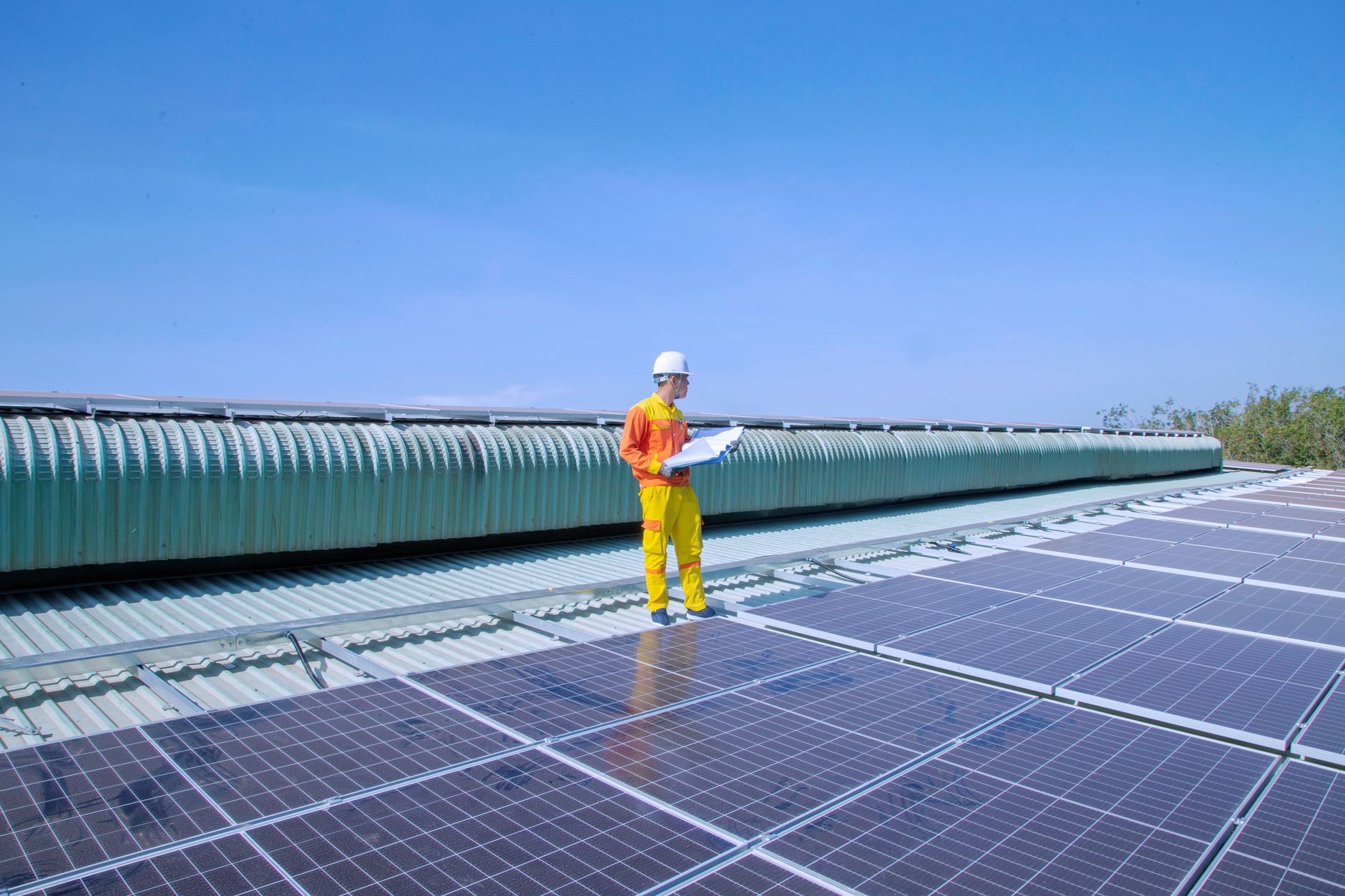 How to Determine If Your Roof Can Support Solar Panels
- How to Choose Between Grid‑Tied and Hybrid Solar Systems
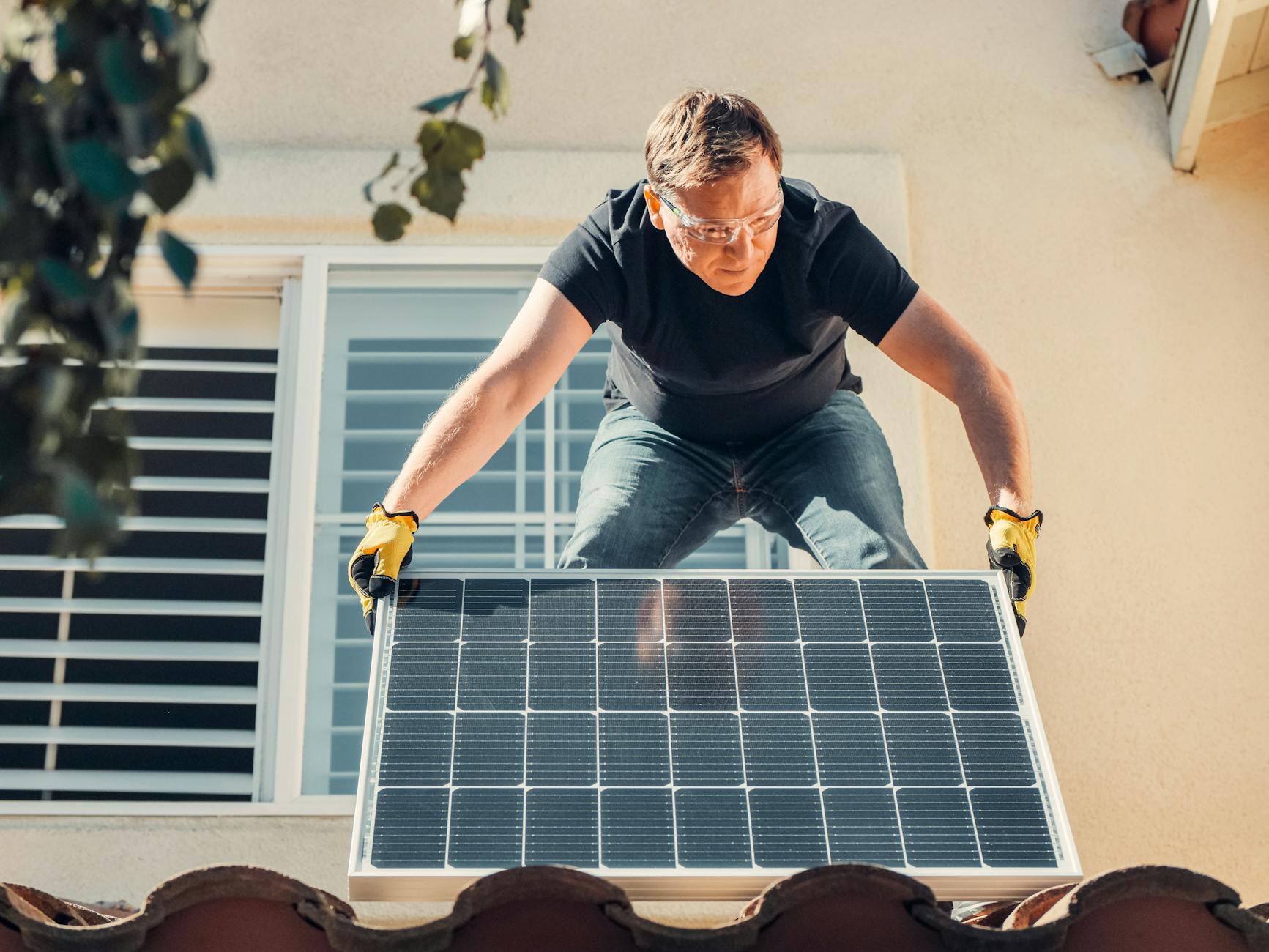 How to Evaluate and Select a Reliable Solar Installer
AI disclosure: this article was automatically drafted with AI assistance and reviewed before publishing. Written with AI assistance: gemini-3.1-flash-lite. It is general information, not professional medical, financial or legal advice.


0 comments:
Post a Comment