


Understanding the Basics
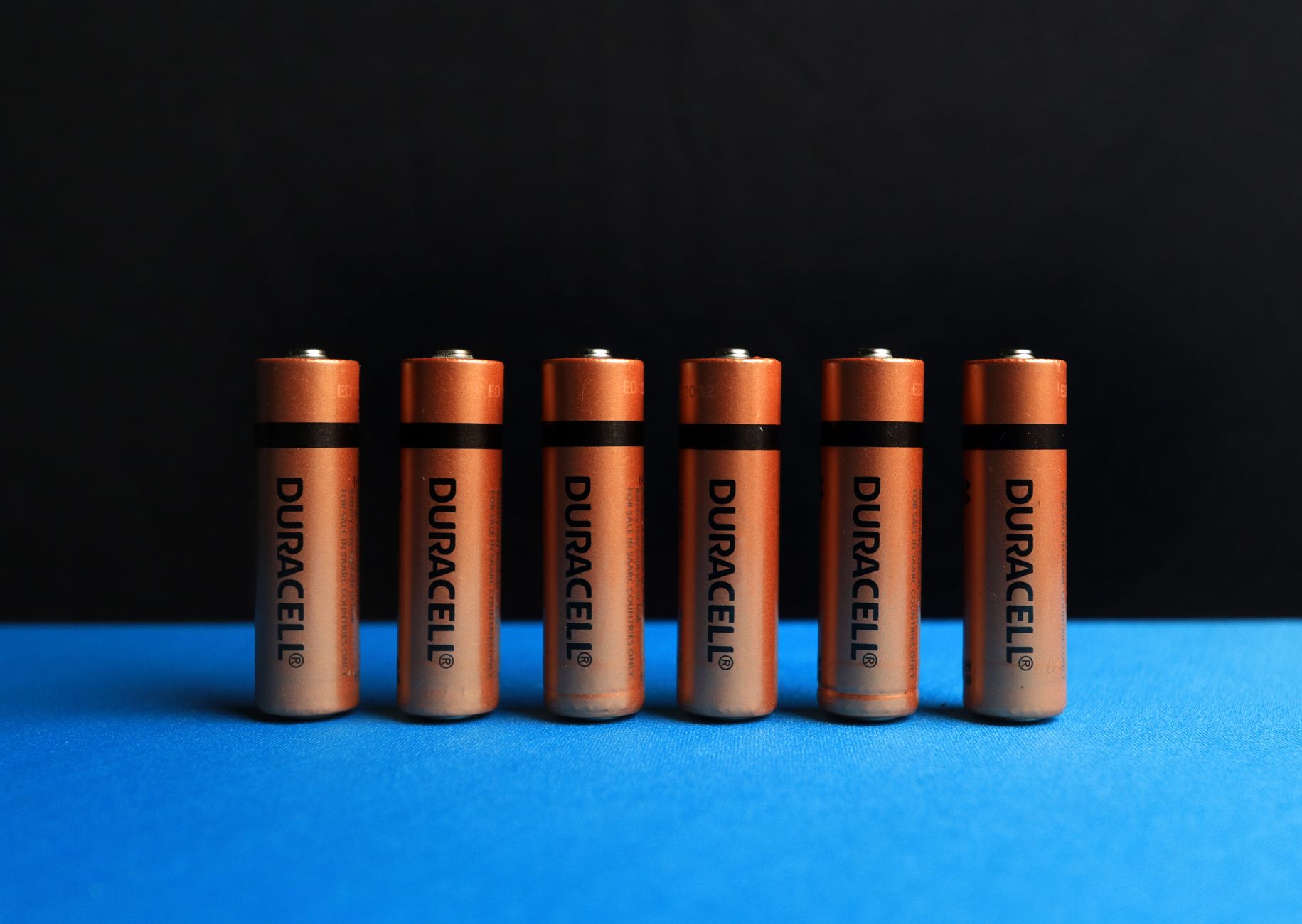
When a power outage strikes, a reliable backup system can keep essential appliances running. Two common options are gel‑type lead‑acid batteries and lithium‑ion batteries. Both store electricity, but they differ in chemistry, performance, and cost.
Gel batteries use a silica‑based electrolyte that is immobilized in a thick, jelly‑like substance. This design eliminates the need for venting and reduces the risk of acid spills. Lithium batteries, typically lithium‑iron‑phosphate (LiFePO4) or lithium‑nickel‑manganese‑cobalt (NMC), rely on solid‑state chemistry and lightweight metal plates.
Key Performance Factors
Energy density. Lithium cells pack more watt‑hours per kilogram than gel cells. A 10 kWh lithium system may weigh under 100 lb, while a comparable gel system can exceed 300 lb. Higher density means smaller space requirements.
Depth of discharge (DoD). Gel batteries safely discharge to about 50 % of their rated capacity without harming lifespan. Lithium batteries tolerate 80‑90 % DoD, delivering more usable energy from the same rated capacity.
Charge cycles. Gel units typically last 500‑800 cycles before capacity drops noticeably. Lithium units often exceed 2,000 cycles, extending the useful life of the backup system.
Temperature tolerance. Gel batteries perform well in cold environments but lose efficiency above 30 °C. Lithium batteries maintain stable output across a broader temperature range, though extreme heat can accelerate degradation.
Installation and Maintenance
Gel batteries are heavy and require sturdy mounting. They also need periodic equalization charges to balance cell voltage. Maintenance includes checking terminal connections and ensuring the battery room stays ventilated.
Lithium batteries are lighter and can be wall‑mounted. They feature built-in battery management systems (BMS) that protect against over‑charge, over‑discharge, and temperature spikes. This reduces the need for routine checks.
Both types need a compatible inverter and charge controller. However, lithium systems often integrate these functions, simplifying wiring and reducing component count.
Cost Considerations
Upfront price is the most visible difference. Gel batteries cost roughly $150‑$200 per kilowatt‑hour, while lithium batteries range from $400‑$600 per kilowatt‑hour. The higher initial expense for lithium can be offset by longer life, higher efficiency, and lower maintenance.
When calculating total cost of ownership, include replacement frequency, labor for installation, and energy losses. Gel systems may require replacement every 5‑7 years, whereas lithium units can last 10‑15 years with minimal service.
Which Battery Fits Your Home?
If you prioritize low upfront cost and have space for heavy equipment, gel batteries can be a practical choice. They work well in off‑grid cabins or backup setups where budget constraints dominate.
If you need compact size, higher usable capacity, and minimal maintenance, lithium batteries are the better fit. They excel in modern homes with limited battery rooms and where long‑term reliability matters.
Assess your power needs, available space, climate, and budget before deciding. Both technologies can provide dependable backup; the right match depends on the specific demands of your household.
Related reading
 Understanding Battery Chemistries for Home Energy Storage
 Selecting Solar Cables and Fuses for Safe Installations
AI disclosure: this article was automatically drafted with AI assistance and reviewed before publishing. Written with AI assistance: openai/gpt-oss-120b. It is general information, not professional medical, financial or legal advice.


