


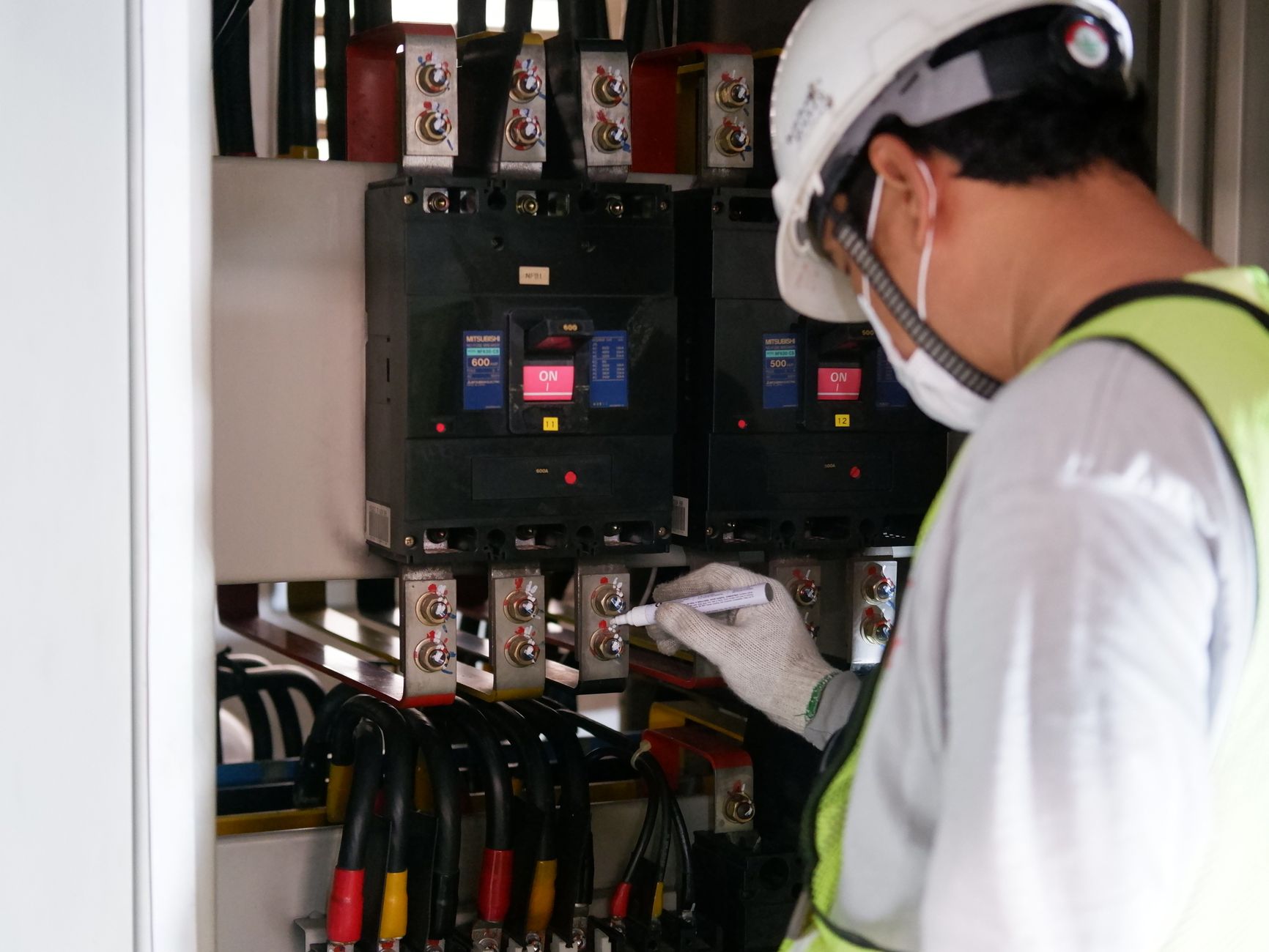
Installing new equipment requires precise timing and reliable power. When load shedding disrupts the grid, project timelines often suffer. Careful planning helps teams maintain productivity despite these interruptions. You must align your installation phases with the local utility schedule to minimize downtime.
Mapping the Schedule to Project Phases
Start by downloading the official load shedding schedule for your specific area. Map these blackout windows against your project timeline. Identify which tasks require constant power and which do not. High-draw activities like welding, heavy drilling, or server migrations should occur during stable power blocks. Reserve low-energy tasks for periods when the grid is offline.
Communication remains vital during this process. Share the schedule with all contractors and site managers. Ensure everyone knows exactly when power cuts occur. This prevents equipment damage from sudden surges when power returns. It also stops workers from starting tasks that they cannot finish before the lights go out.
Securing Reliable Backup Power
Relying solely on the grid creates significant risk for complex installations. Consider renting portable generators for critical project phases. A generator provides a stable current for sensitive electronics. It also keeps lighting and ventilation systems running during dark hours. Calculate your total wattage requirements before selecting a generator unit.
Uninterruptible Power Supplies (UPS) offer another layer of protection. These devices bridge the gap during the transition from grid power to backup power. They prevent data loss and hardware resets during sudden outages. Use them for sensitive control panels or computer-based diagnostic tools. Always test your backup systems before the actual installation day begins.
Optimizing Workflow for Intermittent Power
Break your installation into modular segments. This approach allows you to pause work without losing progress. If a task takes four hours, try to complete it in two-hour blocks. This strategy fits neatly into common load shedding intervals. It also reduces the stress on your team when the power cuts unexpectedly.
Prepare your site for manual work during outages. Keep hand tools organized and accessible. Ensure that your team has adequate battery-powered lighting. If the installation involves software, ensure all updates download before the power cuts. Offline documentation and physical manuals provide a safety net when digital resources become unavailable.
Managing Risks and Contingencies
Unexpected delays happen even with the best plans. Build a buffer into your project schedule to account for potential grid instability. If a critical phase requires four days, plan for five. This extra time absorbs the impact of unforeseen power failures. It also reduces the pressure on your staff to rush through complex tasks.
Monitor the grid status throughout the day. Use mobile applications that provide real-time alerts for your specific zone. If the utility announces an unscheduled stage increase, adjust your plan immediately. Prioritize safety over speed at all times. Never attempt to bypass safety protocols just to meet a deadline during a power cut.
Document every power-related delay in your project log. This data helps you refine future installation plans. You will learn which tasks are most sensitive to power fluctuations. Over time, you will develop a more resilient workflow that ignores the volatility of the grid. Success depends on your ability to adapt to the environment rather than fighting it.
Related reading
 Practical Methods to Reduce Your Home Heating Expenses
 How to Evaluate and Select a Reliable Solar Installer
 Step‑by‑Step Guide to Planning a Home Energy Upgrade
 How Solar Power Systems React When the Grid Fails
AI disclosure: this article was automatically drafted with AI assistance and reviewed before publishing. Written with AI assistance: gemini-3.1-flash-lite. It is general information, not professional medical, financial or legal advice.


